
Celtic at Risk of Coaching Instability as Contract Negotiations Create Uncertainty
Celtic Football Club could be on the verge of losing at least one key member of its first-team coaching staff, with the potential for further departures amid ongoing and reportedly challenging contract discussions.
The situation has emerged following a period of transition at the club, highlighting the importance of stability in the backroom team as they prepare for the upcoming season.
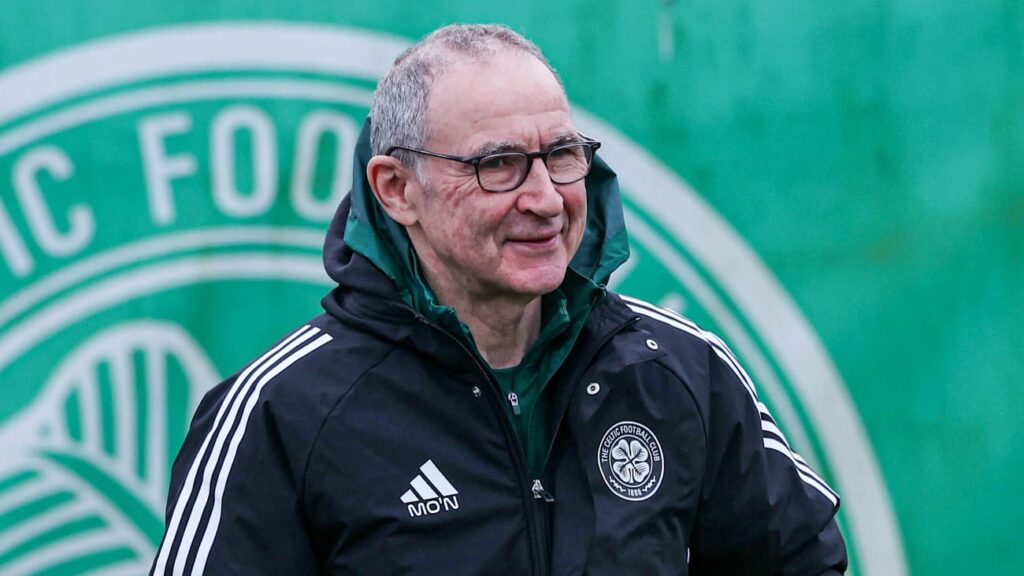
The appointment of Martin O’Neill as manager this summer was notably protracted. While the club took considerable time to finalise the veteran’s return to the role on a full-time basis, reports suggest that O’Neill himself contributed significantly to the delay.
The experienced coach initially expressed reservations about committing to the full demands of the position, which include intensive daily involvement with the squad and the high-pressure environment inherent to managing a club of Celtic’s stature. Ultimately, O’Neill opted to remain following the success of the previous campaign, in which the team secured a domestic double, reinforcing his commitment to the project.
However, while the managerial position has been resolved, uncertainty surrounds two of O’Neill’s most trusted assistants. Shaun Maloney and Mark Fotheringham, both of whom played pivotal roles in last season’s achievements, are yet to agree new terms with the club.
According to available information, both coaches have been asked to accept reduced financial packages despite their significant contributions to the team’s performance. This development has raised concerns about potential disruptions to the coaching setup at a critical time.
Key Coach Set for Departure
One first-team coach is already poised to leave Celtic this summer. Gavin Strachan, who has been instrumental in overseeing the team’s set-piece strategies, is understood to be departing the club. Importantly, Strachan is not currently involved in contract renewal discussions with Celtic and remains under existing terms, but he is expected to join West Bromwich Albion as part of James Morrison’s backroom staff.
West Bromwich Albion, competing in the English Championship, endured an uncharacteristically difficult campaign last season, finishing in the lower half of the table. The club is now focused on rebuilding and improving its performance, with Strachan’s appointment viewed as a positive step toward strengthening their coaching team. Strachan brings valuable experience, having previously worked in England with clubs such as Peterborough United and Doncaster Rovers. Additionally, personal factors, including family connections in the Midlands region, are believed to have influenced his decision to pursue this opportunity.
The loss of a specialist like Strachan, particularly one responsible for set-pieces—a crucial element in modern football that can often prove decisive in tight matches—represents a notable departure for Celtic. His expertise in this area contributed to the team’s success in converting dead-ball situations into goals during the title-winning campaign.
Potential for Further Coaching Exits
The situation with Maloney and Fotheringham carries broader implications. Should Celtic fail to resolve their contract situations satisfactorily, there is a genuine risk that one or both could seek opportunities elsewhere. Both assistants are considered essential to O’Neill’s operational model. Given the manager’s age and the physical and tactical demands of leading training sessions on a daily basis, he relies heavily on his coaching team to handle core responsibilities, including pitch-side preparation, player development, and the implementation of tactical strategies.
Maloney and Fotheringham possess intimate knowledge of the current Celtic squad, having worked closely with the players throughout the successful double-winning season. This familiarity provides continuity that is difficult to replicate quickly. While O’Neill would undoubtedly have other coaching options available should the need arise, the departure of these two experienced figures could disrupt the established rhythm and understanding within the backroom staff.
From a professional standpoint, the reported offers of reduced terms appear inconsistent with the contributions made by Maloney and Fotheringham. Both coaches have demonstrated loyalty and effectiveness, playing key parts in delivering silverware. Offering terms that represent a pay cut could be perceived as undervaluing their efforts, particularly at a club with Celtic’s resources and ambitions. A more respectful and competitive proposal would not only acknowledge their value but also serve the club’s best interests by maintaining stability and avoiding unnecessary upheaval heading into a new season.
The Importance of Continuity and Resolution
In elite football, coaching continuity is often a decisive factor in sustained success. Teams that maintain consistent backroom personnel benefit from deeper player-coach relationships, refined tactical implementation, and a shared vision that develops over time. Celtic, with its strong squad and clear domestic objectives, stands to gain significantly from preserving the core of O’Neill’s team. Disruptions at this level can affect training quality, player morale, and overall preparation, potentially impacting results on the pitch.
According to reports from The Herald, Maloney and Fotheringham have arranged a new round of talks with Celtic’s chief stakeholder, Dermot Desmond. These discussions represent a critical opportunity to address the current impasse. It is widely hoped that Desmond and the club’s leadership will take the necessary steps to secure the futures of both coaches by offering terms that reflect their previous arrangements and recognise their importance to the squad’s ambitions.
Failure to do so could lead to a more extensive coaching exodus, forcing O’Neill to rebuild his support network under time pressure. Conversely, a swift and fair resolution would allow the entire coaching staff to focus fully on pre-season preparations and the challenges ahead, ensuring a smoother transition into the new campaign.
Broader Context for Celtic
This period of contract negotiations occurs against the backdrop of Celtic’s continued pursuit of domestic dominance and potential European competitiveness. The club has historically thrived when its key personnel remain aligned and motivated. The contributions of specialist coaches like Strachan, Maloney, and Fotheringham have been integral to recent successes, underscoring the need for careful management of these relationships.
As the summer transfer window and pre-season training approach, Celtic’s ability to resolve these internal matters efficiently will be closely watched by supporters and observers alike. Maintaining a cohesive coaching unit under O’Neill’s leadership is essential for capitalising on the momentum from last season’s achievements and meeting the high expectations that accompany the club’s status.
In summary, while the departure of Gavin Strachan appears confirmed, the club has a clear window to prevent further losses by handling the situations of Shaun Maloney and Mark Fotheringham with the professionalism and respect they have earned. Prioritising stability in the backroom staff will be key to Celtic’s prospects in the season ahead. A positive outcome in the forthcoming talks would not only retain valuable expertise but also send a strong signal about the club’s commitment to those who have delivered success.