

Celtic and Rangers are preparing for a significant showdown with the Scottish FA next month.
Both clubs have lodged appeals against the punishments handed down after the chaotic scenes at Ibrox last season.
The governing body will hear their cases on Monday 26 October.
The original decision ordered each side to play their next home Scottish Cup ties behind closed doors. It also imposed £100,000 fines on both clubs following the pitch invasion that marred the end of the quarter-final. Neither club has publicly detailed the exact grounds of their appeals so far.
BBC Sport confirmed the hearing date on 25 September. The news has already sparked intense discussion among supporters of both Glasgow giants. Many fans view the sanctions as overly harsh given the emotional context of the night.
How the Ibrox Chaos Unfolded
The trouble began after a tense goalless quarter-final at Ibrox. Celtic progressed with a 4-2 victory in the penalty shoot-out. What should have been a moment of celebration quickly descended into disorder.
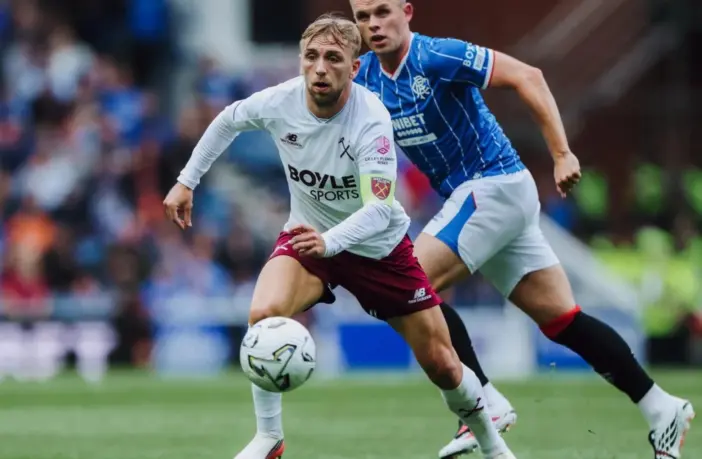
Supporters from both sets of fans spilled onto the pitch once the final whistle sounded. Objects and pyrotechnics were thrown as the situation escalated. Several police officers and stewards suffered injuries in the melee that followed.
Police Scotland later confirmed 43 arrests linked to the incidents. An independent review ordered by the Scottish FA described a crushing risk as both real and foreseeable. The report specifically highlighted non-compliant ultra groups who surged past stewards and police lines.
Both clubs admitted the original charges brought against them. That admission remains important. The forthcoming appeals do not dispute that disorder took place. Instead they challenge the scale of the sanctions imposed.
Celtic’s Stance on the Sanctions
Celtic’s initial response to the punishments was measured but firm. The club argued that the penalties were disproportionate. Officials pointed to the emotional nature of a hard-fought cup tie settled on penalties.
Celtic also stressed a key practical point. They were the away side that night and therefore not responsible for overall stadium safety arrangements at Ibrox. That distinction forms part of the club’s wider argument about fairness.
Supporters on the green side of Glasgow have largely backed the club’s position. Many feel Celtic are being punished for events that occurred primarily under Rangers’ matchday control. Social media reaction has been strong and consistent since the original sanctions were announced.
Rangers Face Parallel Pressure
Rangers find themselves in a similar position. As the home club they carried greater responsibility for crowd management. The independent review placed particular emphasis on the surge of ultra groups inside Ibrox.
Yet Rangers have also chosen to appeal. Their decision suggests the club believes the combined package of fines and closed-door matches goes too far. Both sets of directors clearly feel the Scottish FA’s response needs further scrutiny.
The dual appeals create an unusual situation. For once the Old Firm clubs are aligned against the governing body rather than each other. That shared interest has not gone unnoticed by neutral observers.
The Broader Impact on Supporters
The sanctions carry consequences that stretch beyond the two clubs. Both sides received a clear warning about future behaviour. Any repeat of unacceptable conduct in the Scottish Cup could trigger a second home match played without fans.
That suspended sanction hangs over the clubs regardless of the October hearing outcome. It adds extra pressure on matchday operations for the remainder of the cup campaign. Club officials and stewards will be under heightened scrutiny.
Separately, an agreement reached earlier this month bars away fans from all Old Firm fixtures in this season’s SPFL competitions. The decision has already changed the atmosphere around these fixtures. Revenue and the traditional derby experience have both taken a hit.
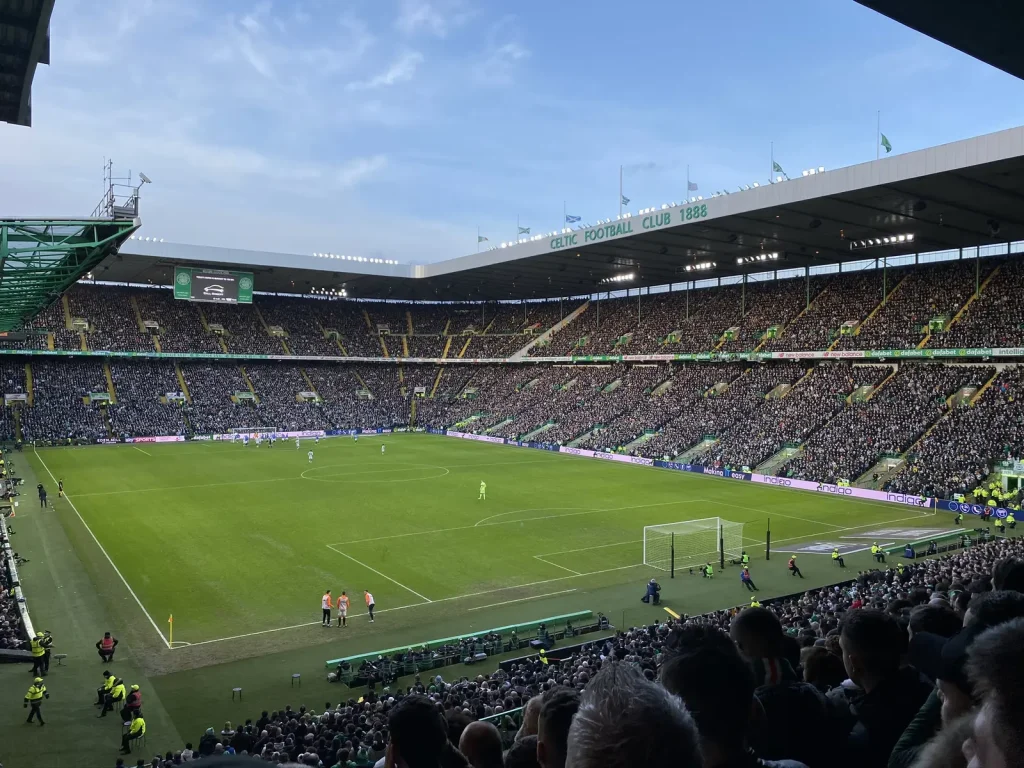
That absence was visible at Celtic Park last Sunday. No Rangers supporters were present for the Premiership meeting. The empty away end offered a stark visual reminder of how far relations have deteriorated.
Atmosphere and Revenue Concerns
Empty sections of stadiums affect more than just noise levels. Matchday income drops when away allocations are removed. Both clubs rely on those revenues to support wider operations.
Fans on both sides have expressed frustration at the restricted experience. Many argue that genuine supporters are being penalised for the actions of a minority. The debate over collective punishment versus individual accountability continues to run hot.
Ultras groups in particular have come under renewed focus. The independent review singled out non-compliant behaviour as a major factor in the Ibrox disorder. Clubs now face difficult questions about how they engage with these organised supporter factions.
Current League Context and Form
The timing of the appeals adds another layer of pressure. Both Celtic and Rangers remain locked in a tight Premiership title race. Every point and every cup progression carries extra weight this season.
Celtic have shown solid recent form in domestic competition. Their ability to grind out results even when not at their fluent best has impressed many observers. The squad’s depth continues to be tested by a congested fixture list.
Rangers have also posted competitive performances. Defensive organisation has improved in recent weeks. Yet consistency remains an issue as they chase their rivals at the top of the table.
Tactically both managers have prioritised control in midfield. The Old Firm meetings this season have been tight, physical affairs. That intensity only increases the emotional stakes whenever the two sides meet.
Fan Reaction Across Glasgow
Supporters have responded to the appeal news with a mixture of hope and scepticism. Many Celtic fans believe the club has a strong case on the stadium-safety point. They hope the panel will recognise the distinction between home and away responsibilities.
Rangers supporters appear more divided. Some accept that greater accountability rests with the home club. Others insist the fines and closed-door orders remain excessive given the wider context of the night.
Online forums and social channels have been busy since the hearing date was confirmed. Calls for measured dialogue sit alongside more heated demands for the sanctions to be overturned completely. The volume of discussion underlines how deeply the issue resonates.
What the October Hearing Will Decide
The Scottish FA appeal panel will meet on 26 October. Its task is clear. Members must decide whether the closed-door orders and the £100,000 fines should stand, be reduced, or be removed entirely.
Both clubs will present their arguments in full. The panel will also consider the independent review findings and the original admissions of the charges. The process is expected to be thorough.
Until the decision is delivered, the sanctions remain in place. Any further trouble at a Scottish Cup fixture could activate the suspended second closed-door match. That risk concentrates minds at both Celtic Park and Ibrox.
Club officials will be monitoring supporter behaviour closely in the coming weeks. Communication with fan groups is likely to intensify. Everyone involved understands the potential consequences of another serious incident.
Looking Ahead to the Cup Campaign
The Scottish Cup remains a major target for both sides. Progression offers silverware and European opportunities. Playing early home ties without supporters would clearly diminish that experience.
Managers will want full houses to create the atmosphere that drives cup runs. Empty stands change the dynamic of a match. Players and coaches alike prefer the energy that a packed stadium provides.
The outcome of the October hearing will therefore shape more than just financial penalties. It will influence the entire feel of the cup campaign for two of Scotland’s biggest clubs. Supporters will be watching the result with keen interest.
The Wider Lessons for Scottish Football
The Ibrox events have forced a broader conversation about crowd management. Governing bodies, clubs and police forces are all examining how best to prevent similar scenes. Lessons from that night continue to inform current planning.
Stewarding numbers, segregation arrangements and communication with organised fan groups are under review. The independent report’s findings have given everyone involved clear areas for improvement. Progress on those fronts will be closely monitored.
At the same time the sport must balance safety with the passion that makes Scottish football unique. Finding that balance is never simple. The October appeals form part of an ongoing effort to get the equation right.
Celtic and Rangers now wait for their day in front of the panel. The decision that follows will carry significant weight for both institutions and their supporters. All eyes will be on the Scottish FA next month.
The clubs have made their positions clear by lodging the appeals. The governing body will now examine those arguments in detail. Whatever the final ruling, the process itself highlights the seriousness with which everyone is treating the Ibrox fallout.
For now the focus remains on preparation. Both sets of players continue their domestic campaigns while the off-field process runs its course. The football itself offers a temporary distraction from the larger issues at stake.
Yet the calendar moves quickly towards 26 October. On that Monday the appeals will be heard and a new chapter in this saga will begin. Supporters on both sides of the city will await the outcome with considerable interest.