
Celtic Football Club have issued a strongly worded statement condemning a fan protest that targeted principal shareholder Dermot Desmond during the Alfred Dunhill Links Championship at St Andrews on Saturday.
The club made clear that it “will not be intimidated or coerced by organised acts of disruption.” The lengthy and accusatory statement carried no individual signature, echoing the tone of several club releases from 2025.
At the heart of the dispute sits the Celtic Fans Collective. The club has now withdrawn all recognition of the group as a representative supporters’ body and ended formal engagement with immediate effect.
What Happened at St Andrews
Tennis balls bearing images of Desmond’s face were thrown onto the course as the 76-year-old competed in the pro-am event. Security later escorted him from the green amid the disruption.
Celtic described the incident as a “premeditated action” planned in advance. Club officials stated that minutes from a Celtic Fans Collective committee meeting recorded proposals to use tennis balls and banners, coordinate attendance, and fund materials from collective resources.
The statement accused those involved of taking an internal football dispute beyond Celtic Park and into an internationally recognised sporting event. Organisers, players and spectators with no connection to Celtic were affected.
Celtic insisted the protest brought “shame upon the name of Celtic Football Club” and damaged a reputation built over more than a century by generations of supporters.
The Club’s Firm Line on Recognition
In the most significant passage of the statement, Celtic declared it no longer accepts that the Celtic Fans Collective can credibly claim to represent the wider support. The club said those responsible for Saturday’s events do not speak for the many thousands of fans who protest peacefully and responsibly.
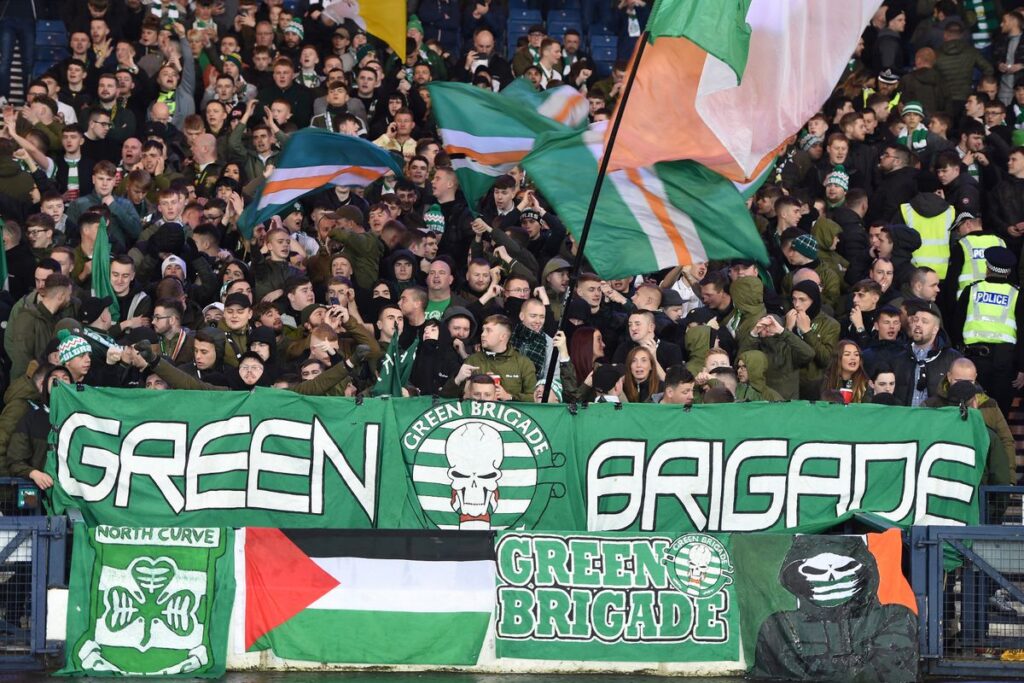
“There is a line between protest and deliberate disruption,” the statement continued. “Today that line was crossed.”
Any individuals or groups established to have planned, facilitated or participated in the action face indefinite bans from Celtic Park. The club is already examining evidence from the day.
Celtic stressed that supporters remain free to criticise the board and shareholders. No permission is required to disagree. The objection, the club argued, centres solely on the method chosen.
Background of Growing Friction
Tensions between sections of the support and the board have simmered for well over a year. Previous statements in 2025 adopted a similar formal and accusatory register when addressing organised campaigns.
The Celtic Fans Collective has coordinated a series of protests, boycotts and public critiques focused on governance, transfer strategy and perceived lack of accountability at the top of the club. Desmond, as the largest individual shareholder, has remained a particular focus of frustration for some groups.
Saturday’s action marked a clear escalation in the eyes of the board. Moving the protest away from matchdays and into a high-profile golf event crossed a threshold the club was no longer prepared to tolerate.
On-Pitch Context: Celtic Lead the Way
While off-field noise intensifies, Celtic currently sit top of the Scottish Premiership. After seven matches the side has recorded six wins and one defeat, collecting 18 points.
Rangers trail by two points on 16. Heart of Midlothian occupy third with 13 points. The early table suggests another tight title race is taking shape.
Celtic’s attacking output has been strong, with 14 goals scored and only four conceded. The defensive record remains one of the best in the division and provides a solid platform under the current coaching setup.
Tactically the team has continued to prioritise control in midfield and rapid transitions. Recent performances have shown improved coordination between the lines, although questions persist about consistency in Europe and depth in certain positions.
Fan Reactions Split Along Familiar Lines
Reaction among the support has been predictably divided. Some season-ticket holders who are not affiliated with the Collective have expressed understanding of the frustration while distancing themselves from the methods used at St Andrews.
Others have voiced strong support for the protest, arguing that only dramatic action forces the board to confront long-standing concerns over leadership and ambition. Online discussion has been intense since the statement appeared late on Saturday evening.
A significant number of fans have stressed that peaceful protest remains a legitimate right. They worry that the club’s decision to cut formal ties with the collective risks further polarising an already fractured relationship.
At the same time, many ordinary supporters have condemned the disruption of a non-football event. They believe such tactics harm the club’s wider reputation and give ammunition to critics outside the Celtic family.
What the Statement Means Going Forward
By withdrawing recognition of the Celtic Fans Collective, the club has chosen a confrontational path. Dialogue channels that previously existed, however imperfect, have now been formally closed.
The threat of indefinite bans raises the stakes for anyone identified as involved. Celtic have indicated they are prepared to enforce the policy rigorously once evidence is reviewed.
Whether this hard line reduces future protests or hardens resolve among activist groups remains to be seen. History suggests that shutting down engagement can sometimes intensify rather than defuse campaigns.
The unsigned nature of the statement has itself drawn comment. Some observers note that the impersonal tone mirrors earlier releases from 2025 and projects institutional rather than personal authority.
League Position Offers Breathing Space
Celtic’s strong start to the Premiership season provides the board with a degree of on-pitch cover. Leading the table after seven games allows the club to point to results when answering broader criticism.
Yet European progress and the quality of recruitment remain sensitive subjects for large parts of the support. These issues have fuelled much of the discontent that the collective has sought to channel.
Martin O’Neill’s side will continue to be judged on both domestic dominance and performances against higher-level opposition. The current form suggests the team is capable of sustaining a title challenge, but the off-field climate could yet cast a shadow.
Supporters who attend regularly have largely continued to back the team on matchdays. The atmosphere at Celtic Park has remained passionate even as organised protests have taken place outside the ground in previous months.
A Line Drawn in Public
Celtic’s statement leaves little room for ambiguity. The club has drawn a clear distinction between legitimate criticism and what it regards as organised disruption designed to coerce decision-makers.
By naming the Celtic Fans Collective and ending engagement, the board has signalled that it will no longer treat the group as a legitimate interlocutor. That decision is likely to shape the tone of supporter relations for the remainder of the season.
Desmond himself has rarely spoken publicly on these matters. The protest at St Andrews forced the issue into the open in a way previous matchday demonstrations had not.
The club’s response suggests the hierarchy believes enough is enough. Whether that stance produces calmer relations or further escalation will become clearer in the coming weeks.
Looking Ahead
Celtic return to Premiership action with the league lead intact and the squad in relatively good health. On-pitch priorities remain clear: maintain the points gap and prepare for the next phase of the campaign.
Off the pitch the temperature has risen sharply. The lengthy, unsigned and accusatory statement of Saturday evening marks a decisive moment in the club’s handling of organised fan dissent.
For now the message from Parkhead is unambiguous. The club will not be intimidated. The line, in their view, has been crossed. How supporters and the collective respond will determine the next chapter of this ongoing dispute.