


Celtic Park was still buzzing from a hard-fought 1-0 victory over Kilmarnock when the real drama of the afternoon began to unfold.
What should have been a straightforward celebration of three precious Premiership points quickly turned into a moment of genuine concern for everyone connected with the club. In the dying stages of a tense encounter,
a key midfielder was forced to leave the field, sparking immediate questions about the severity of the problem and what it might mean for the weeks ahead.
The match itself had been a gritty, attritional affair.
Celtic controlled large periods of possession and created the clearer chances, yet they were unable to put the game completely beyond their visitors.
A single goal proved enough in the end, but the performance lacked the fluency many had hoped for after the midweek European heroics.
Fatigue was understandable. The schedule has been relentless, and the players had already given everything just a few days earlier.
Still, the late injury scare added an unwanted layer of tension to an otherwise positive result.
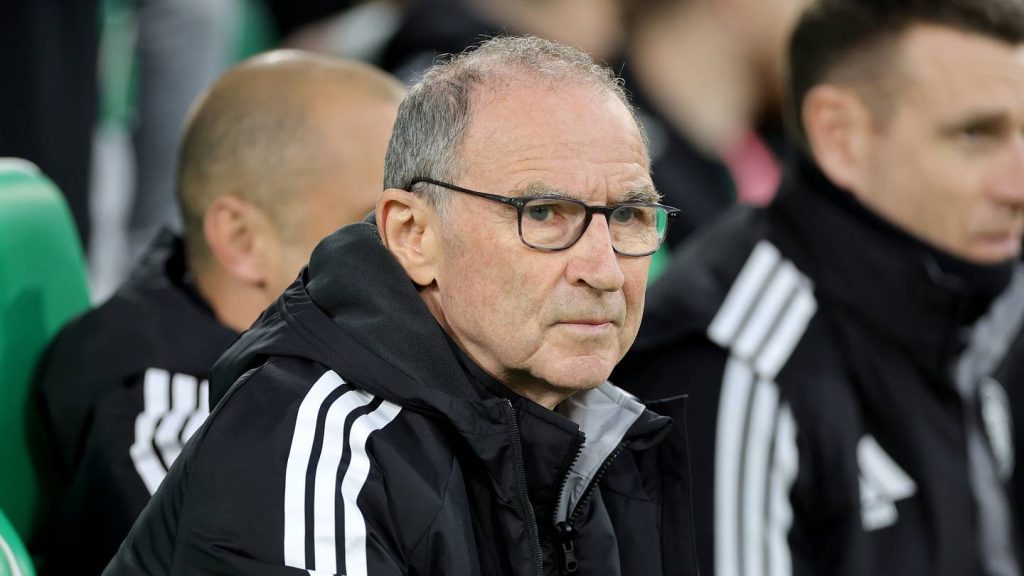
Martin O’Neill did not attempt to sugar-coat the situation when he faced the media afterwards. His words carried a clear sense of unease.
The manager confirmed that the player had been sent straight to the treatment room and that the ankle was “very sore.”
He admitted the medical staff were still assessing the damage and that a scan would be required before any firm conclusions could be drawn.
The honesty in his tone was striking. There was no attempt to play down the incident or offer empty reassurances.
For a club that has already dealt with a number of fitness issues this season, the timing could hardly have been worse.
Celtic now head into the international break with another question mark hanging over the squad.
Two full weeks without competitive football would normally be welcomed as an opportunity to rest and recover.
Instead, it has become a period of nervous waiting. Supporters will be refreshing their feeds constantly,
hoping for positive updates, while the coaching staff must begin planning for different scenarios depending on how long the absence lasts.
The nature of ankle injuries makes them particularly difficult to predict. Some resolve quickly with rest and treatment. Others linger and force players into longer spells on the sidelines.
O’Neill was careful not to speculate too far, but his hope that the problem would not keep the player out for “terribly long” revealed the underlying anxiety.
In modern football, even a short-term absence can disrupt rhythm and force tactical adjustments that managers would prefer to avoid.
What makes this particular setback more frustrating is the form the player had been showing.
He has been one of the more consistent performers in the middle of the park, offering energy, intelligence, and a willingness to cover ground that others sometimes lack.

Removing that presence from the team, even temporarily, changes the balance of the midfield. It places greater responsibility on those who remain and may force younger or less experienced options into the spotlight sooner than planned.
Celtic’s season has already been defined by moments of resilience mixed with lingering fitness concerns. The victory over Besiktas in the Europa League had lifted spirits and given the campaign a much-needed boost.
Follow that up with three points against Kilmarnock and the mood around the club should have been buoyant heading into the break. Instead, the late injury has shifted the narrative. Attention has moved from the result to the potential cost of achieving it.
O’Neill’s post-match comments also touched on the broader challenges of managing an international break. He spoke openly about the difficult balancing act every club manager faces when players depart for national team duty.
While proud of those who represent their countries, he admitted to a natural concern that further injuries could occur away from the club’s control. That anxiety now feels sharper than usual. One more significant absence and the squad depth will be tested even further when domestic action resumes.
The international window also gives the medical department valuable time. Scans will provide clearer information. Rehabilitation plans can be put in place without the pressure of an immediate fixture.
For the player involved, the next few days will be crucial. Early treatment and careful management often determine whether an ankle problem becomes a short-term inconvenience or a longer-term issue. Celtic’s medical staff have a strong reputation, and supporters will trust them to handle the situation with the necessary care.
From a tactical perspective, the absence forces O’Neill into interesting decisions. The midfield has been one of the more settled areas of the team in recent weeks. Losing a regular starter means looking at alternative combinations. Some players may be asked to take on greater responsibility. Others who have been waiting for opportunities could suddenly find themselves in contention. These moments often define seasons. How a squad responds to unexpected absences can reveal its true strength of character.
Fans have already begun discussing the implications online. The conversation has moved quickly from celebrating the three points to analysing the potential length of the absence and who might fill the void. That shift is understandable. Celtic supporters are passionate and informed. They know how thin the margins can be at the top of the Premiership and in European competition. Every injury carries weight. Every prolonged absence increases the pressure on those who remain available.
There is also the matter of squad planning for the remainder of the campaign. The winter months are traditionally demanding in Scotland. Fixtures come thick and fast, weather conditions add another layer of difficulty, and European commitments continue to stretch resources. Going into that period already missing a key component of the midfield is far from ideal. It places greater emphasis on the depth that has been built over recent transfer windows and on the ability of the coaching staff to rotate effectively.
O’Neill has handled difficult situations before. His experience is one of the reasons he was brought in. He understands that football is a game of constant adaptation. Injuries are part of the sport. The best managers find ways to minimise their impact and keep the team moving forward. His measured response after the Kilmarnock match suggested a man who is already thinking several steps ahead rather than dwelling on the setback itself.
Still, the human element cannot be ignored. For the player, the frustration of picking up an injury just as the team was finding some rhythm will be significant. Professional footballers invest enormous physical and mental energy into their craft. Seeing progress interrupted by something as sudden as a late challenge or awkward landing is always hard to accept. The support of teammates, staff, and supporters will matter in the days and weeks ahead.
As the international break begins, the focus will shift to recovery. Updates are expected once the scan results are known. Until then, the situation remains one of careful monitoring and measured optimism. Celtic have navigated injury problems before and will look to do so again. The three points secured against Kilmarnock remain valuable. The challenge now is ensuring that the cost of those points does not grow larger than necessary in the coming weeks.
The next chapter will be written in the treatment room and on the training pitches of Lennoxtown. Supporters will wait for news with a mixture of hope and realism. In the meantime, the result stands. Celtic are three points better off, and the manager has been characteristically straightforward about the problem that emerged in the closing stages. How the club responds from here will say a great deal about its readiness for the demanding period that lies ahead.
In the end, this is the reality of elite football. Moments of triumph are often accompanied by new challenges. A hard-earned victory has been tempered by an injury concern that cannot be ignored. Martin O’Neill has set the tone with his honesty. Now the club must follow through with careful management and clear communication as the full extent of the damage becomes clear. The international break has arrived at an important time. How it is used could shape the trajectory of the months to come.