
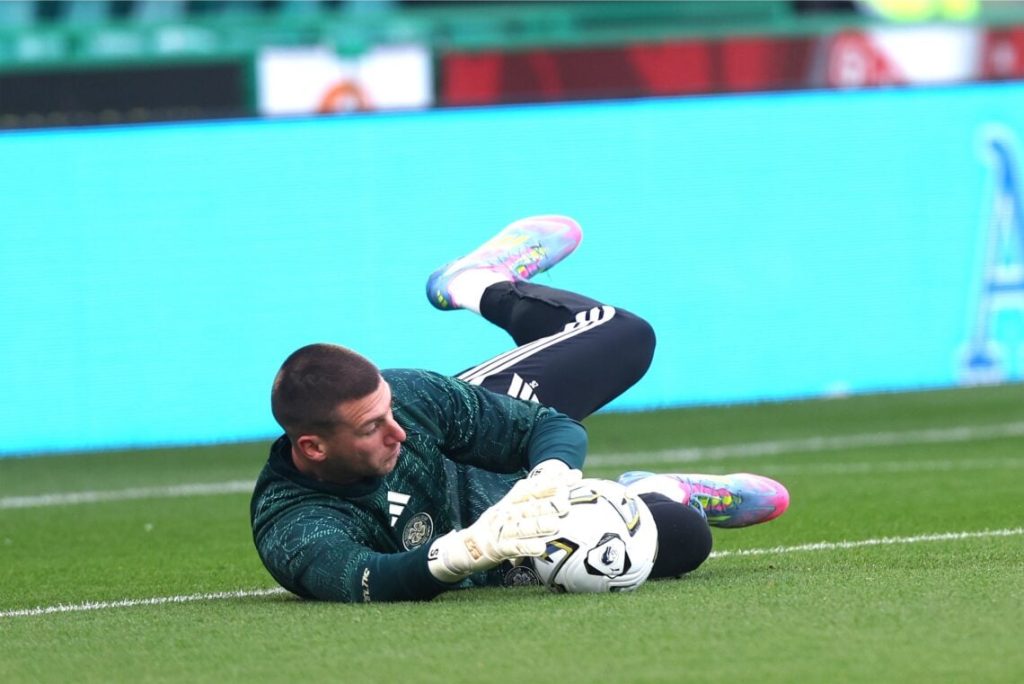
Sam Johnstone found himself back in the Celtic starting eleven for Sunday’s Scottish Premiership clash with Hibernian.
The English goalkeeper produced a solid display as the champions claimed a hard-fought 2-1 victory at Easter Road.
It was not so long ago that Johnstone had been relegated to the bench. His previous major outing against Rangers at Ibrox had been widely criticised as woeful.
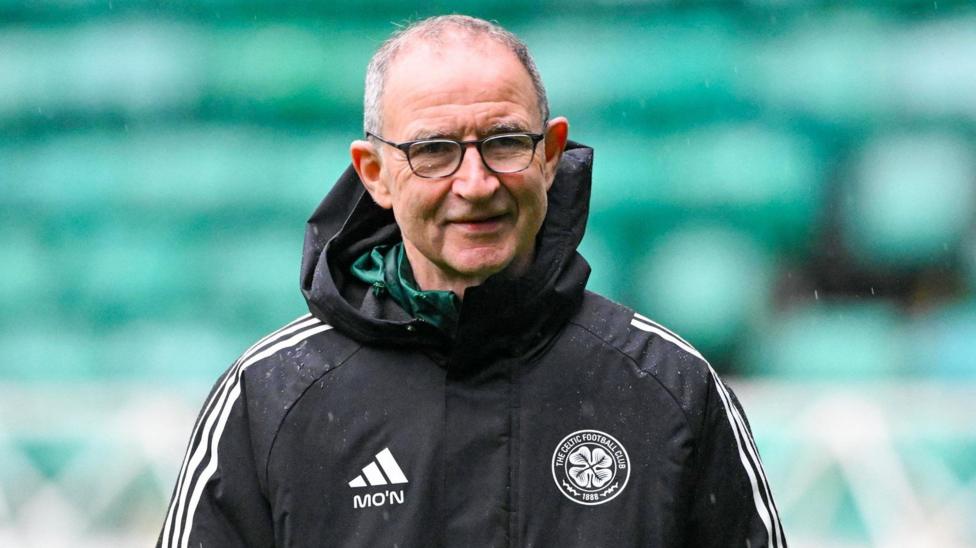
Yet in recent matches the former Wolves man has returned to the side. Manager Martin O’Neill has now publicly explained the thinking behind the selection.
O’Neill’s Rotation Explanation Raises Eyebrows
Speaking to Sky Sports, O’Neill made it clear the decision was deliberate. He wants Johnstone to become accustomed to the conditions in Scotland after a period out of regular action.
“I just want Sam Johnstone to get used to conditions up here,” the Celtic boss said. “He has been out of the scene for a while. He has come into the side.”
O’Neill went further, stressing the quality available to him. “I have two very, very fine goalkeepers. We have got a big, big run of games.
Essentially, if we are rotating some of the players in the outfield, you might do exactly the same infield.”
The Midfield Contradiction That Has Fans Talking
That last line is where the logic starts to fray. Celtic are rotating their goalkeepers because of workload and a heavy fixture list.
Yet the same principle is not being applied to a tiring midfield that includes captain Callum McGregor.
On Thursday night Celtic were beaten 2-1 by Celta Vigo in the Europa League. O’Neill made only one change from the starting eleven, withdrawing Mika Baur with ten minutes remaining.
Benjamin Nygren and McGregor, two players who do not exactly possess the legs without the ball, played the entire match. The Hoops were overrun in midfield during the second half as the Spanish side took control.
Same Pattern Repeated Against Hibernian
The exact same approach was taken at Easter Road on Sunday. All three central midfielders completed the full 90 minutes once again.
Alex Oxlade-Chamberlain remained unused on the bench. Joel van den Berg was nowhere to be seen in the matchday squad.
Celtic’s performance in the second half was laboured. The side looked tired and needed fresh legs to regain control of the midfield battle. Instead, the rotation was confined to the goalkeeping position.
Why Consistency Between the Sticks Matters
Do not get it twisted. Johnstone has not done a great deal wrong since returning to the starting eleven. His display against Hibernian was strong and contributed to a vital three points.
However, Celtic have endured ongoing uncertainty in goal this season. Viljami Sinisalo has been dropped for the second time despite doing little to warrant such treatment.
Rotating goalkeepers purely because a busy schedule lies ahead is unusual. It is not standard practice at most elite clubs, and O’Neill will not want the policy to backfire at a critical stage of the campaign.
Celtic’s Domestic Strength Masks Deeper Issues
Domestically the champions remain in a strong position. Sunday’s win restored a four-point cushion over Rangers at the top of the Scottish Premiership.
The side has won the vast majority of its league fixtures this term. A 7-1 demolition of Hearts the previous weekend underlined the attacking quality still present in the squad.
Yet the European picture is far less encouraging. Celtic sit without a point from their opening three Europa League fixtures after the defeat to Celta Vigo.
Tactical Fatigue Is Becoming Evident
The midfield issues are becoming harder to ignore. McGregor remains an outstanding leader and organiser, but the physical demands of modern football are relentless.
When paired with Nygren in a double pivot, the pair can struggle to cover ground in the latter stages of matches. Opponents have begun to exploit the spaces that appear when legs tire.
Against both Celta Vigo and Hibernian the second-half patterns were similar. Celtic lost territorial control and were forced into deeper defensive positions for prolonged periods.
Fan Reaction Highlights the Selection Puzzle
Supporters have been quick to highlight the inconsistency. Online discussions and matchday conversations have focused on the contrast between goalkeeper rotation and midfield continuity.
Many fans accept that Johnstone needs game time to settle. They also recognise that Sinisalo has performed creditably when given opportunities.
What they struggle to understand is the refusal to rotate a midfield that is visibly tiring. With Oxlade-Chamberlain available and other options in the squad, the lack of changes feels puzzling.
The Need for a Clear Number One
Celtic need clarity between the posts. A settled number one builds confidence throughout the defensive unit and allows the rest of the team to play with greater assurance.
Constant rotation, even when framed as preparation for a busy schedule, creates uncertainty. Players and supporters alike need to know who the first-choice goalkeeper is.
O’Neill’s comments about having two fine keepers are understandable. Managing both is a delicate balancing act, particularly when one is on loan and seeking regular minutes.
Looking Ahead to a Demanding Fixture List
The manager is correct that a heavy run of games is approaching. Domestic and European commitments will continue to test the depth of the squad.
In that context, some rotation is inevitable and sensible. The question is where that rotation is applied and whether it addresses the areas of greatest need.
Right now the midfield appears more vulnerable to fatigue than the goalkeeping department. Continuing to play the same three players for 90 minutes while switching the keepers risks leaving the side exposed in the engine room.
Johnstone’s Opportunity and the Bigger Picture
Johnstone now has a chance to cement his place. A strong run of performances could force O’Neill’s hand and settle the debate for the medium term.
Yet the wider selection policy still requires scrutiny. Celtic’s domestic form has papered over cracks that European nights have exposed more clearly.
The champions remain the team to beat in Scotland. Maintaining that status while navigating European competition will demand sharper decision-making in key areas of the pitch.
Balancing Experience and Freshness
Callum McGregor’s importance to the side cannot be overstated. His leadership and reading of the game remain elite qualities that few others in the squad can match.
That does not mean he should be exempt from rotation when the schedule intensifies. Fresh legs in midfield can protect senior players and maintain intensity across 90 minutes.
Oxlade-Chamberlain’s presence on the bench against Hibernian offered a ready-made option. Leaving him unused while the starting midfielders laboured raised legitimate questions.
What Comes Next for O’Neill’s Celtic
The coming weeks will provide further evidence of the manager’s approach. Fixture congestion will force more decisions about who starts and who is rested.
Goalkeeping rotation may continue if O’Neill remains committed to developing both options. The midfield, however, looks increasingly in need of the same thoughtful management.
Celtic’s position at the top of the Premiership buys some time and goodwill. Continued European struggles and visible fatigue in key areas will test that patience more severely.
Johnstone’s return to the side has been justified by results so far. The logic offered by O’Neill, when set against the treatment of the midfield, leaves many observers unconvinced.
Consistency between the sticks remains a priority. Applying the same principles of workload management across the rest of the team would make the current approach far easier to defend.
For now the debate continues. Celtic supporters will watch the next round of selections closely, hoping the rotation policy begins to make more consistent sense across the pitch.