

Real Madrid’s Masterclass in Player Trading: The Strategic Buy-Back Clause Shaping Premier League Moves
In the intricate world of modern football transfers, major clubs often demonstrate remarkable foresight in managing their academy talents. Real Madrid, renowned for its La Fábrica youth system, has long perfected strategies that extend influence far beyond the initial sale of promising players.
These moves secure not only immediate financial returns but also long-term control and potential future value. A recent high-profile deal involving a Spanish winger heading to the Premier League highlights this approach perfectly, blending smart business with strategic player development.
This situation underscores how elite clubs navigate sales while protecting their investments. When a young talent leaves the academy for a lower-tier club to gain experience, the parent club frequently includes protective mechanisms. These can generate profits on resale and provide an option to reclaim the player if they exceed expectations. In this case, the mechanism involves a short-term repurchase right inserted into a cross-border transfer, showcasing sophisticated negotiation tactics that benefit the original developer of the talent.
The Player’s Journey from La Fábrica to La Liga Stardom
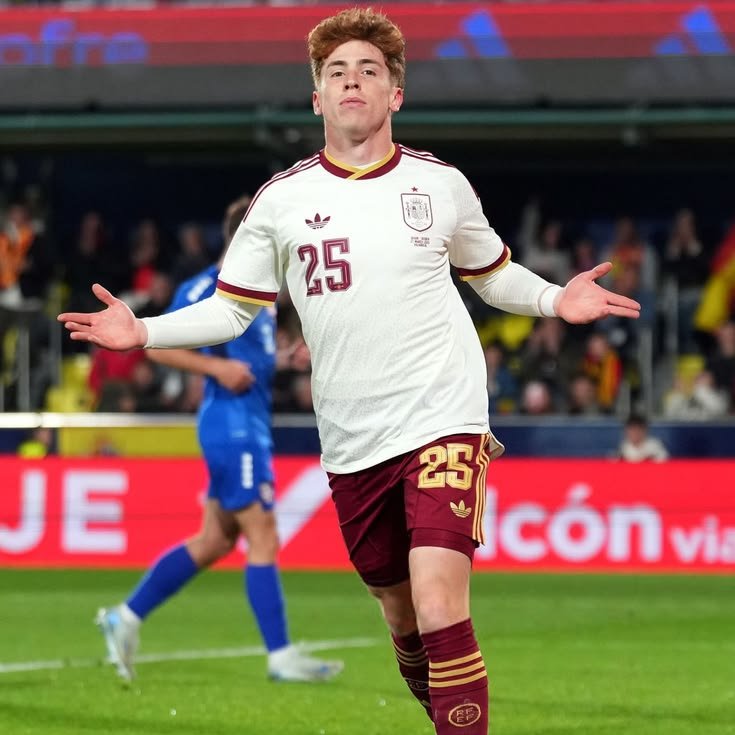
The player in question, a 22-year-old Spain international known for his explosive pace, direct dribbling, and goal-scoring threat from the flanks, embodies the success of patient youth development. Born in Barcelona in 2003, he progressed through Real Madrid’s youth ranks, featuring for the C team and Castilla before seeking regular first-team minutes elsewhere. His move last summer to Osasuna for around €5 million included retained economic rights and protective clauses, a standard yet effective practice for the Spanish giants.
At Osasuna, the winger quickly adapted to the demands of La Liga. In his debut senior season (2025-26), he made over 30 league appearances, contributing 6 goals and 2 assists while showcasing relentless work rate and versatility across the attacking line. His performances earned him senior caps for Spain, including a goal contribution shortly after debuting, and a spot in the squad for the 2026 World Cup. Scouts from across Europe took notice of his ability to beat defenders with speed, create chances in transition, and press effectively — attributes that translate well to the high-intensity Premier League.
Newcastle United’s Ambitious Signing
Newcastle United, seeking reinforcements on the wing following the departure of Anthony Gordon, identified him as an ideal, dynamic option. Reports indicate a deal structured around €30 million plus performance-related add-ons, falling below his release clause but still representing significant value for a player with limited top-flight experience. This move to St. James’ Park offers him a platform to test himself against some of the world’s best defenders in one of football’s most demanding leagues.
Real Madrid’s Financial and Strategic Windfall
For Real Madrid, the financial upside is immediate and substantial. Thanks to the 50% sell-on clause retained from the initial transfer to Osasuna, they stand to pocket roughly €15 million or more from this sale without any further outlay. More intriguingly, negotiations reportedly allowed them to insert a one-year buy-back clause into the agreement between Osasuna and Newcastle. This option, valid for the upcoming season, gives Madrid the right to recall the player at a predetermined fee if he impresses in England.
This layered approach exemplifies Madrid’s transfer philosophy. La Fábrica has produced countless stars, but not all can break into a squad stacked with global talent like Vinicius Jr., Mbappé, and others. Selling graduates with buy-backs and sell-ons allows the club to fund further development while maintaining a safety net. Historical precedents include Dani Carvajal, who was sold to Bayer Leverkusen with a buy-back option and successfully reclaimed to become a club legend. Álvaro Morata followed a similar path via Juventus, returning before later moves. These clauses de-risk the process for the selling club and can disrupt plans for the buying side if activated at an inopportune time.
Fan Reactions and Practical Considerations
Newcastle fans have expressed mixed reactions. Some welcome the signing of a young, hungry attacker with international pedigree who could add depth and flair to their attack under their current project. Others question the practicality of agreeing to such a clause, wondering if it includes prohibitive fees or conditions that might limit the player’s long-term commitment. Skepticism abounds on social media, with some dismissing the reports as negotiation tactics or exaggeration, while others praise Madrid’s “ten steps ahead” business acumen. Legally, such clauses must comply with FIFA regulations on third-party influence, but when structured carefully between the involved parties, they remain enforceable.
Broader Trends in Player Trading
From a broader perspective, this transfer reflects evolving trends in player trading. Premier League clubs, flush with broadcasting revenue, increasingly target La Liga talents for their technical quality and adaptability. Spanish players often arrive Premier League-ready due to the tactical and physical demands of their domestic league. For the winger, Newcastle represents a step up in competition, exposure, and potentially wages, but also a test of his ability to handle physicality, travel, and consistency over a grueling 38-game season plus cups.
Osasuna, meanwhile, secures a healthy profit on their one-year investment. The club developed the player impressively, integrating him into a competitive La Liga side known for its fighting spirit. Selling him allows them to reinvest in their squad, though fans will regret losing a breakout star who brought energy and directness to their attacks. The deal highlights how mid-table clubs can act as vital stepping stones in modern football’s ecosystem.
Why This Model Works for Real Madrid
Real Madrid’s strategy here also speaks to squad planning. With a deep attacking pool, they can afford to let talents prove themselves elsewhere while keeping tabs. If the winger dazzles in the Premier League — perhaps replicating or exceeding his La Liga output — Madrid could exercise the option, integrating a more mature, battle-hardened version into their setup. Alternatively, they profit handsomely and monitor for future sell-ons. It’s a low-risk, high-reward model that many clubs envy but few execute with such consistency.
Looking ahead, the player’s adaptation to English football will be fascinating. His low center of gravity, quick feet, and ability to finish with either foot (though primarily right-footed) suit wide roles or even inside-forward positions in a 4-3-3 or fluid system. Challenges will include the league’s physical duels, refereeing differences, and adapting to Newcastle’s high-pressing style under their management. Success could see him become a regular for Spain at major tournaments, building on his early caps.
Academy Ownership and Player Pathways
This episode also fuels debates about academy ownership and player pathways. Critics argue that heavy clauses limit a young player’s freedom, potentially pressuring them or complicating moves. Proponents see it as fair compensation for the years of training, scouting, and investment poured into prospects from a young age. Real Madrid’s La Fábrica invests millions annually, producing not just players but also revenue streams that sustain the first team.
Conclusion: Chess-Like Mastery in Football Economics
In summary, this transfer saga illustrates the chess-like nature of elite football economics. One club develops the raw material, another provides the platform for growth, a third offers the big-stage payday, and the original developer retains influence throughout. For the young winger, it’s the next chapter in a promising career that began in Madrid’s youth setup and now takes him to the Premier League spotlight. Whether he returns to the Bernabéu one day or carves out a starring role in England, his trajectory underscores how smart clauses can shape destinies in the beautiful game.
The football world will watch closely as the deal finalizes. Newcastle gains potential dynamism, Osasuna bolsters its finances, and Real Madrid once again demonstrates mastery in player asset management. In an era of skyrocketing fees and Financial Fair Play constraints, such nuanced deals provide a blueprint for sustainable success.