
Navigating business banking and business financial infrastructure in the United Kingdom requires selecting tools that optimize cash flow, streamline tax compliance, and reduce foreign exchange fees.
Whether operating as a sole trader, a limited company, or a scaling start-up, choosing the right business bank account and financial stack directly impacts operational efficiency and bottom-line profitability.
In this comprehensive guide, we review the top UK business bank accounts, high-yield business savings options, corporate credit cards, and integrated accounting software solutions available to UK business owners today.
1. Top UK Business Bank Accounts Compared
Selecting a business bank account in the UK involves evaluating monthly maintenance fees, international transfer charges, direct debit support, and integration with cloud accounting software.
A. Digital Neobanks (Best for Speed & Low Fees)
Digital-first challenger banks have transformed UK commercial banking by offering instant setup, zero monthly account fees on basic tiers, and real-time transaction categorisation.
- Starling Bank Business Account: Free everyday business banking for UK registered businesses with no monthly fees. Includes automated expense categorization, full FSCS protection up to £85,000, and native integration with Xero and QuickBooks.
- Monzo Business: Offers a “Lite” free tier and a “Pro” tier at £5/month. Features auto-tax pots that automatically set aside a percentage of incoming payments for HMRC VAT and Corporation Tax obligations.
- Revolut Business: Ideal for companies handling cross-border payments. Allows multi-currency holding (GBP, EUR, USD), competitive interbank exchange rates, and virtual company spending cards.
B. Traditional High Street Banks (Best for Cash In-Branch)
For businesses handling physical cash deposits, cheque processing, or requiring large-scale overdraft facilities, traditional high street institutions remain essential.
- Barclays Business Banking: Offers specialized support for startup businesses, alongside structured trade finance options and local relationship managers for established firms.
- HSBC UK Business: Features global network access, making it a strong candidate for international trade, alongside dedicated foreign currency accounts and corporate credit lines.
- NatWest / Royal Bank of Scotland: Offers fee-free business banking periods for startups and comprehensive integration with FreeAgent accounting software.

2. Best Corporate Credit Cards & Expense Management Systems
Modern UK businesses use corporate credit cards and smart card management platforms to earn rewards, extend cash flow cycles, and automate receipt tracking.
Key Features to Look For:
- Interest-Free Days: Standard UK corporate cards offer 42 to 56 days of interest-free credit on purchases.
- Rewards & Cashback: Earning 1% to 1.5% cashback on corporate ad spend, SaaS subscriptions, and travel expenses.
- Receipt Capture: Mobile apps that automatically match snapped receipts to transaction entries via optical character recognition (OCR).
Popular choices include specialized expense platforms like Capital On Tap (offering high credit limits and uncapped cashback for UK limited companies), Payhawk, and Soldo.
3. High-Yield Business Savings Accounts in the UK
Leaving excess operational capital in non-interest-bearing current accounts exposes business reserves to inflation. UK commercial business savings accounts currently offer flexible deposit options:
- Instant Access Business Savings: Allows immediate liquidity for emergency cash cushions while earning floating interest rates.
- Notice Accounts (30, 60, or 90 Days): Yields higher interest rates in exchange for agreed notification periods prior to capital withdrawal.
- Fixed-Term Business Deposits: Locks capital for 6 to 24 months to secure guaranteed interest returns for planned corporate tax payments.
4. Essential UK Accounting & Payroll Software Integrations
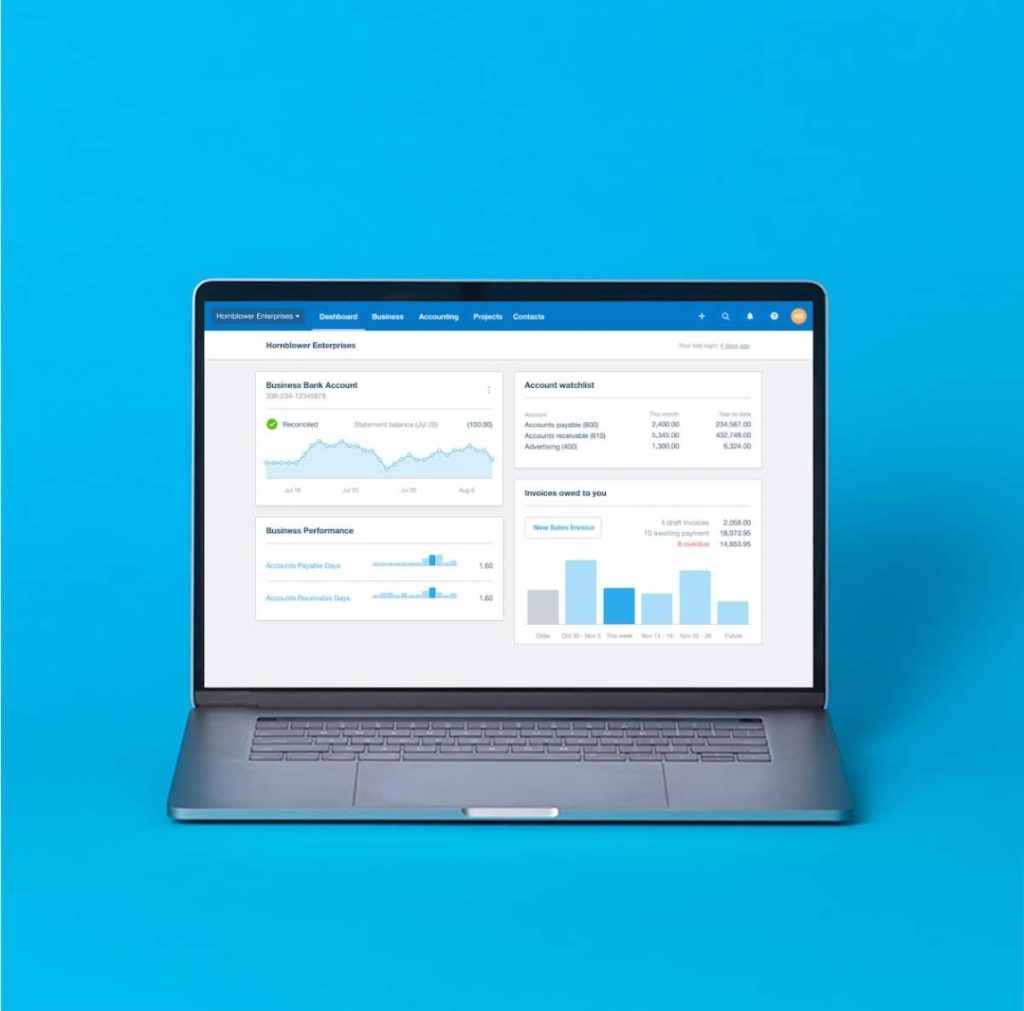
Connecting a UK business account directly to MTD-compliant (Making Tax Digital) accounting software ensures seamless HMRC reporting and automated bank feeds.
- Xero: Excellent for scaling small-to-medium enterprises requiring multi-currency tracking, detailed financial reporting, and payroll modules.
- QuickBooks Online: User-friendly platform tailored for sole traders and small business owners needing mileage tracking and automated VAT filing.
- FreeAgent: Highly optimized for UK freelancers, contractors, and limited companies, providing real-time Corporation Tax and Self Assessment calculations.
5. How to Choose the Right Financial Stack for Your UK Business
To optimize financial administration and minimize transaction overheads, evaluate your business model against these key factors:
- Transaction Volume: If processing hundreds of low-value transactions monthly, prioritize neobanks with zero per-transaction electronic payment fees.
- Foreign Exchange Requirements: Businesses paying overseas contractors or software vendors in USD or EUR should deploy multi-currency accounts to eliminate 2.5%–3% FX markup fees.
- HMRC Compliance: Ensure your chosen banking and bookkeeping software fully supports Making Tax Digital for VAT and Income Tax.
Conclusion
Upgrading your UK business banking and accounting stack provides total control over corporate finances while saving hundreds of pounds in unnecessary banking fees. Review your current transaction charges, set up high-yield savings pots for tax liabilities, and leverage automated expense tracking to maximize operational profitability.