
SPFL Responds to Celtic’s Disappointment Over Monday Night 2026/27 Season Opener
The release of the 2026/27 Scottish Premiership fixtures has immediately sparked controversy, with the focus falling squarely on reigning champions Celtic Football Club. Celtic will open their title defence at home against Dundee on Monday, August 3, 2026, with a 7:30pm kick-off at Celtic Park, broadcast live on Sky Sports.
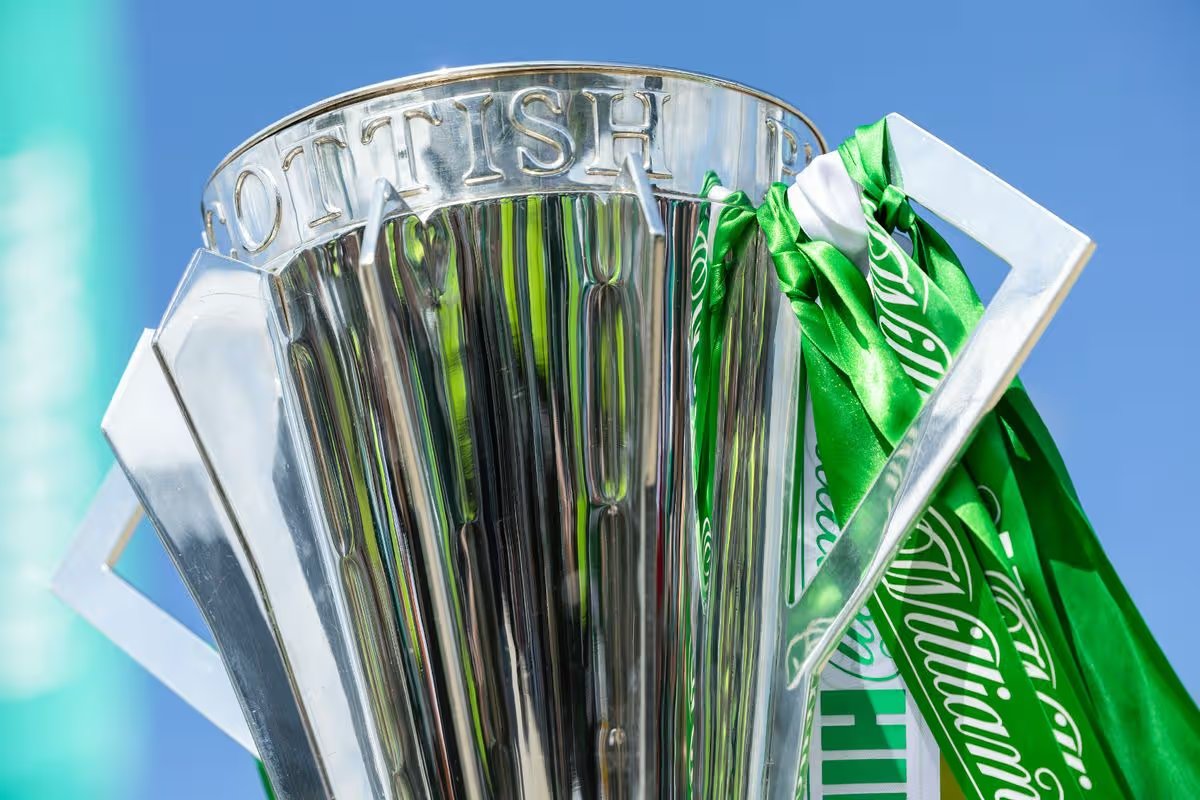
This fixture will also serve as the club’s official title flag presentation day (“Flag Day”), but the midweek evening slot — rather than a traditional weekend date — has drawn significant attention and disappointment from the club and its supporters.
Celtic’s Official Statement
In a strongly worded yet measured statement, Celtic expressed their disappointment while providing important context for supporters:
“Celtic Football Club has been informed that its first match will be played on Monday, August 3, 2026 in the forthcoming league season. With the fixtures being officially released today, it is important that supporters are aware of this as early as possible and the background to this decision, which is outwith our control.
Clearly, our priority will always be our supporters and, against any measure, staging the Champions Flag Day on a Monday evening is disappointing.
We have made repeated representations to Police Scotland and to the SPFL to avoid this scheduling, however, surprisingly, we have been told that there is no choice owing to Police Scotland being unable to support the fixture on a weekend which coincides with other events.
Through positive dialogue with the SPFL and Sky Sports, however, it has been agreed that in recognition of the demands placed on our travelling supporters, particularly from Ireland, the kick off will be brought forward to the earlier time of 7.30pm from the previously designated 8pm start, something which is significant for travel connections.”
SPFL’s Operational Explanation
SPFL Chief Operating Officer Calum Beattie has provided a detailed explanation of the scheduling constraints. The decision stems primarily from major overlapping events in Glasgow during the early August period.
The 2026 Commonwealth Games are taking place in Glasgow from July 23 to August 2, utilising several venues including the Sir Chris Hoy Velodrome, which is located in close proximity to Celtic Park in the city’s East End.
Additionally, high-profile concerts by Scottish DJ Calvin Harris at Hampden Park on Saturday, August 1, and Sunday, August 2, further complicate logistics. Hampden Park, as Scotland’s national stadium, shares policing, stewarding, and broader logistical resources with Celtic Park and the surrounding area.
Beattie emphasised that these major events place exceptional demands on Police Scotland. After extensive discussions with all relevant stakeholders, including police, the SPFL concluded that it would not be feasible to stage Celtic’s high-attendance opener on the preceding weekend.
The Monday night slot allows the Commonwealth Games to conclude and the concerts to finish before football takes centre stage. Celtic’s match against Dundee will round off the opening round of fixtures, with other Premiership games scheduled across the weekend of August 1-2.
Broader Context and Challenges in Scottish Football Scheduling
Fixture planning in the Scottish Premiership is a complex exercise that must balance multiple competing factors: police advice on public safety, broadcaster requirements, European commitments, venue availability, and the interests of all 12 top-flight clubs.
Celtic games routinely attract crowds in excess of 50,000, requiring substantial policing and stewarding resources. Glasgow’s relatively compact geography, with key venues in relatively close proximity, can amplify logistical challenges during periods of overlapping major events.
Critics have pointed out that moving Flag Day to a Monday evening disadvantages many supporters — particularly season ticket holders and those travelling from afar — who would prefer a weekend fixture for better travel options, lower costs, and greater atmosphere. Flag Day is a significant ceremonial occasion that celebrates the previous season’s success and builds excitement for the new campaign.
However, the SPFL maintains that public safety and operational practicality must take precedence. Prioritising one club’s preferences could create difficult precedents across the league.
Stakeholder Perspectives and Fan Reaction
Celtic’s statement strikes a balance between acknowledging the constraints while firmly highlighting the club’s efforts and its disappointment on behalf of supporters. Fans have voiced frustration across social media platforms, seeing the scheduling as another instance where external factors impact the traditional matchday experience.
For Dundee, the visitors, the Monday night trip presents its own challenges but also offers valuable exposure against the champions on live television.
Sky Sports’ involvement highlights the commercial realities of modern football. Monday night football provides a dedicated broadcast window that delivers strong audiences, contributing important revenue to the league.
Historical Context and Future Implications
While uncommon, midweek openers or altered Flag Day timings are not entirely unprecedented in Scotland or other European leagues, where television deals and logistics play an increasingly dominant role.
This episode may prompt renewed discussion about long-term planning and coordination between sporting bodies, local authorities, Police Scotland, and major event organisers in Glasgow. Better forward planning could help minimise future conflicts between football fixtures and other large-scale events.
As the 2026/27 season approaches, focus will naturally shift to on-pitch matters. Celtic, aiming for a sixth consecutive title under their management team, will look to launch their campaign strongly against Dundee before facing sterner tests. The first Old Firm derby is scheduled for September 20 at Celtic Park.
Broader league storylines include the integration of newly promoted sides and the ongoing competitiveness at the top of the table.
Conclusion
This scheduling dispute illustrates the ongoing tension between footballing tradition and the practical demands of modern professional sport. Flag Day represents heritage, celebration, and community, while contemporary scheduling must accommodate safety, commercial, and logistical realities.
The SPFL’s response makes clear that while club and fan feedback is valued, operational necessities driven by major events like the Commonwealth Games and high-profile concerts must ultimately prevail.
Regardless of the day and time, Celtic supporters are expected to turn out in significant numbers, creating a memorable atmosphere for the flag unfurling and the start of another title-challenging campaign. The episode will likely fade once competitive action begins, but it serves as a useful reminder of the intricate balancing act required to manage a national league in a dynamic, event-filled city like Glasgow.