
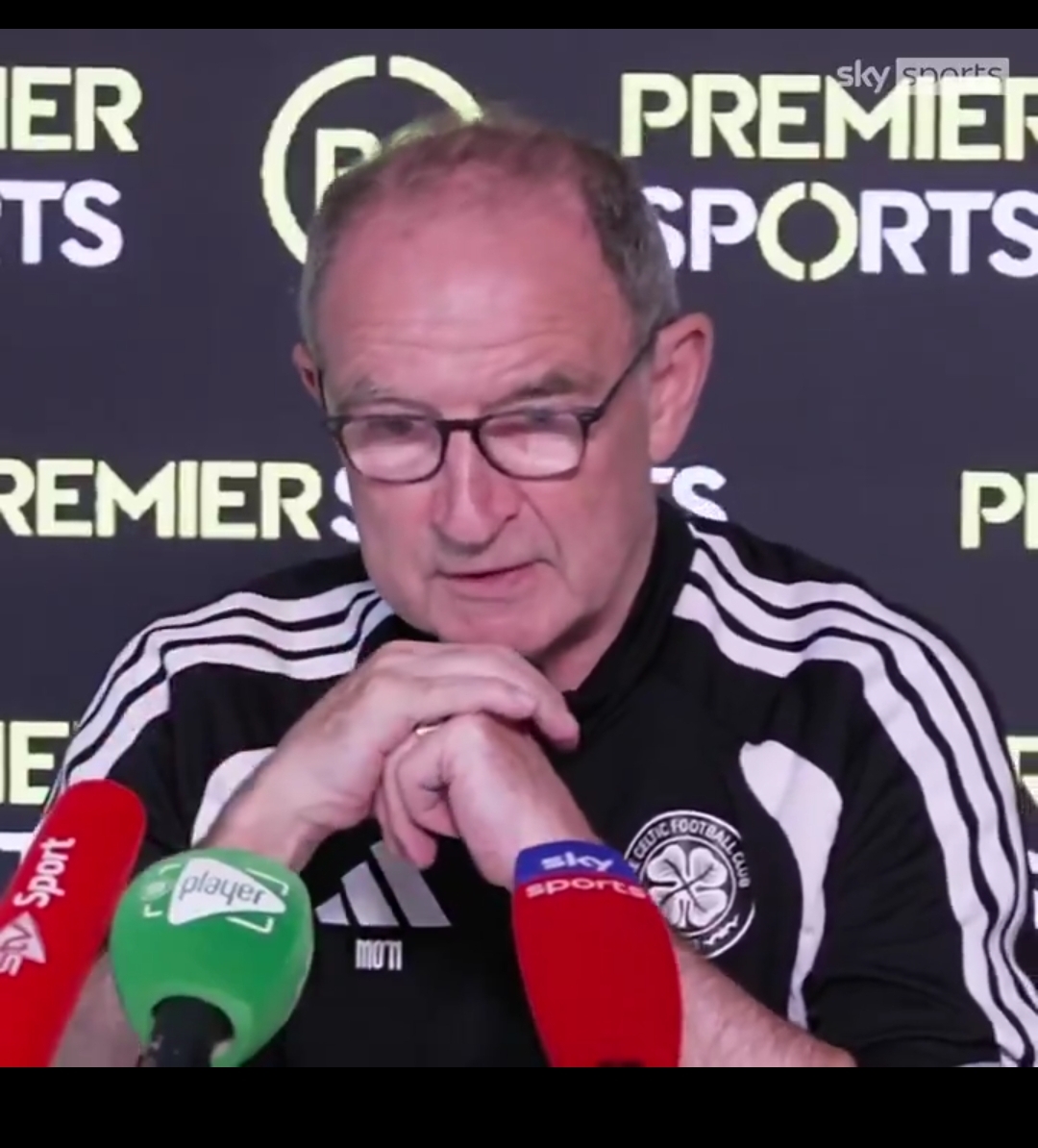
Martin O’Neill Provides Update..
Celtic manager Martin O’Neill has offered a frank and measured assessment of two significant developments surrounding his squad in recent days.
Speaking ahead of the club’s upcoming fixtures, the experienced Northern Irishman addressed the impending exit of midfielder Arne Engels and delivered a clear update on the fitness of right-back Alistair Johnston.
Both situations carry considerable weight for the Scottish champions as they balance domestic ambitions with the realities of the summer transfer market.
Engels, the Belgium international who arrived from Augsburg in 2024, appears set to complete a move to West Ham United.
The deal is understood to be worth around £22 million and would represent a significant outlay for the Championship side.
O’Neill confirmed that the player was undergoing a medical and spoke with a mixture of regret and understanding about the situation.
“Great opportunity… it’s really hard to turn it down,” the Celtic manager said when reflecting on Engels’ decision.
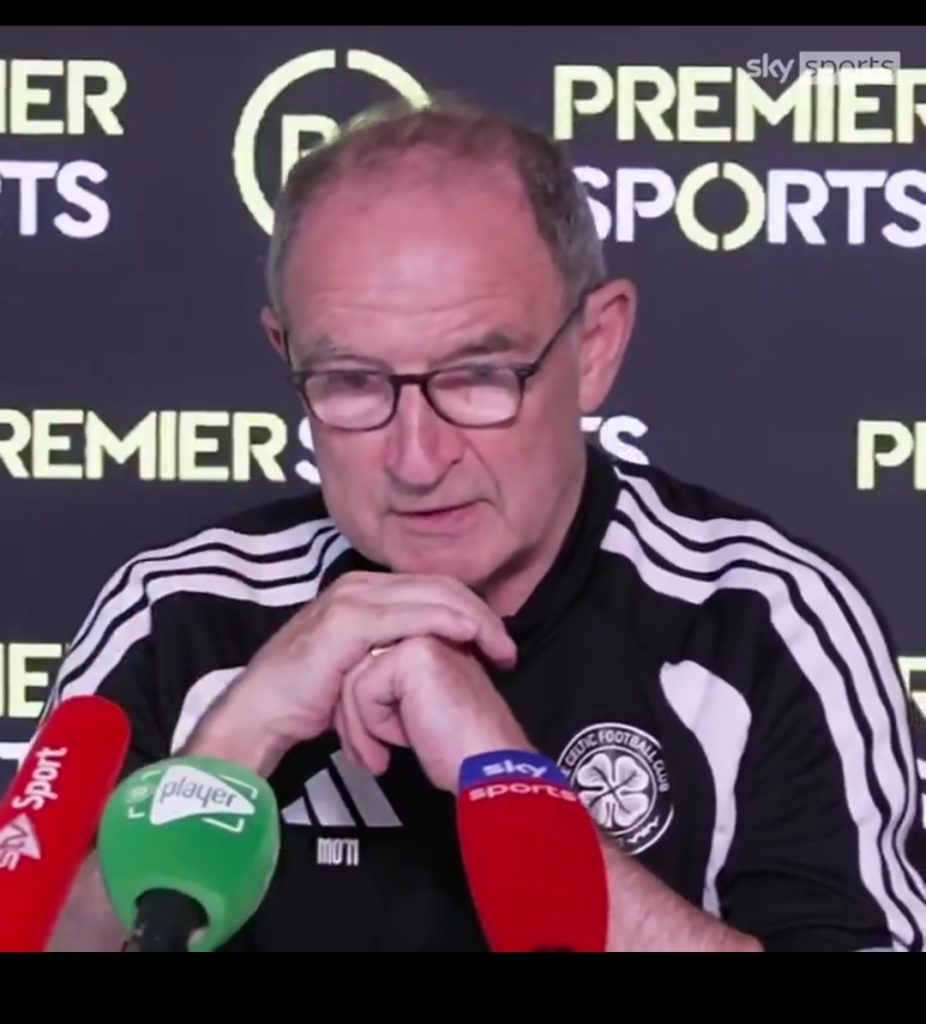
The comment captured the essence of the dilemma facing both the player and the club. Engels has developed into an important figure at Parkhead, contributing energy, goals and versatility in midfield. His performances helped Celtic secure major silverware, and losing a player of his quality is never easy for any manager.
O’Neill made it clear that the club would have preferred to keep the 22-year-old, at least until after key European fixtures. Ideal scenarios, however, rarely align perfectly with the demands of modern football. West Ham wanted their new signing available for the opening day of the Championship season, creating a timeline that left limited room for negotiation around Celtic’s schedule.
The manager also acknowledged the psychological impact recent events may have had on Engels. With interest from English clubs having circulated for some time, and after a previous substantial bid from Nottingham Forest was rejected in the winter window, the opportunity to move south represented a natural next step for an ambitious young player.
O’Neill noted that Engels had handled the earlier speculation with maturity and professionalism, never causing disruption even when a large offer arrived late in the January window.
In parallel, O’Neill delivered news on Alistair Johnston that will likely close the door on any late transfer activity involving the Canada international.
The right-back sustained an injury during Celtic’s recent Premiership victory and is expected to be sidelined for several weeks. Critically, the recovery timeline means he will not return to full fitness until after the transfer deadline has passed.
“By the time he’s fit, it’ll be past the transfer deadline!” O’Neill stated. The blunt assessment carries significant implications. Johnston had attracted interest from Everton, with David Moyes among those to make contact earlier in the window. Any potential move now appears effectively ruled out by the injury, at least for this particular transfer period.
O’Neill spoke positively about Johnston’s character in the face of the setback. The defender has been stoic and professional throughout, having already impressed during Canada’s World Cup campaign before returning to club duties. The injury is not considered long-term, and the manager expressed confidence that the player will recover fully and resume his important role in the Celtic defence.
The combination of these two situations highlights the constant balancing act Celtic face. On one hand, the club must protect its competitive edge and retain key performers whenever possible. On the other, significant offers and player ambition cannot always be ignored, particularly when the financial figures involved are substantial. Engels’ move, while disappointing from a footballing perspective, represents a sizeable return on the investment made when he joined from Augsburg.
Celtic have already begun the process of refreshing the squad. Recent additions include Egyptian winger Haissem Hassan and German under-21 midfielder Mika Baur. O’Neill indicated that further arrivals are expected before the window closes. The manager’s comments suggested the club remains active in the market and is working to ensure adequate cover and quality across positions that may be affected by departures or injuries.
Looking ahead, the loss of Engels will require careful management of the midfield options available to O’Neill. The Belgian had become a reliable presence capable of influencing games through his work rate and technical contribution. Replacing that output will not be straightforward, even with new faces arriving. Johnston’s absence, while temporary, also creates a short-term challenge on the right side of defence, an area where consistency has been important for Celtic’s structure.
O’Neill himself has recently returned to full duties after a medical procedure that required a short hospital stay. The 74-year-old appeared in good spirits and focused on the immediate tasks at hand. His ability to address transfer matters and injury concerns with clarity and honesty remains one of his strengths, providing supporters with a transparent view of the club’s position.
The broader context of the summer window cannot be ignored. Celtic have already seen several players depart, and the interest shown in Engels and Johnston earlier in the period was always likely to intensify. O’Neill had previously described such interest as disappointing yet expected, noting that strong performances naturally attract attention from clubs in bigger leagues. The challenge for Celtic has always been to manage those situations without destabilising the squad’s preparation for domestic and European competition.
For Engels, the move to West Ham offers a new chapter in English football, even if the Hammers are currently operating in the Championship. The financial package and the platform provided by a club with Premier League ambitions clearly appealed. For Johnston, the injury, while unfortunate in the short term, may ultimately keep him at Celtic beyond the deadline, allowing him to continue contributing once fully recovered.
Supporters will naturally feel mixed emotions. Losing a talented young midfielder who has grown into his role is rarely popular, yet the fee involved provides resources that can be reinvested. The confirmation that Johnston is likely to remain, at least for now, offers some reassurance regarding defensive stability. O’Neill’s task is to ensure the squad adapts quickly and maintains its competitive standards through the remainder of the transfer period and into the new campaign.
As the window enters its final stages, further clarity is expected on additional incoming transfers. Celtic’s recruitment team continues to work on targets, and O’Neill has signalled that progress is being made. The manager’s comments on both Engels and Johnston underscore a pragmatic approach: acknowledge the disappointment, respect the player’s opportunity or circumstances, and focus on the squad that remains and the reinforcements still to come.
In the coming days and weeks, attention will shift more fully toward on-pitch matters. Celtic face important fixtures that will test the depth of the current group. How the team responds to the absence of Engels and the temporary loss of Johnston will provide an early indication of the squad’s resilience. O’Neill’s experience in managing similar situations throughout his career should prove valuable as the club navigates this period of transition.
Ultimately, the manager’s words reflect the realities of elite football. Great opportunities arise, injuries intervene, and clubs must adapt. Celtic under O’Neill continue to pursue success on multiple fronts while dealing with the inevitable movement of players in and out of the squad. The coming weeks will reveal how successfully that balance is maintained.