
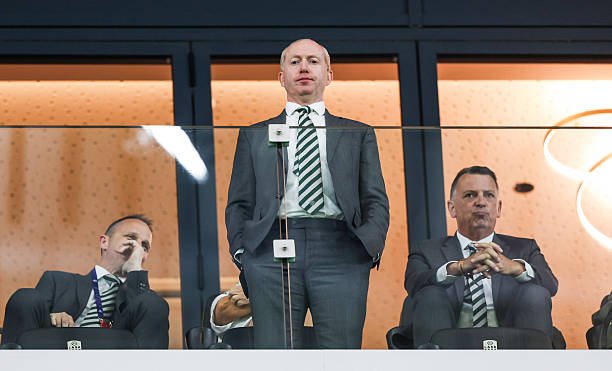
Celtic’s Champions League Nightmare Continues as Board’s Gamble Backfires Once Again
Celtic’s latest Champions League qualifying exit has left supporters seething. The Parkhead board’s familiar pattern of hesitation has delivered another painful blow.
Once again the club entered two enormous European ties with an unfinished squad. The result was entirely predictable.
The Latest Humiliation Against LASK
In the 2026 play-off round Celtic fell to Austrian side LASK. Another campaign ended before the group stage even began.
The defeat completed a grim sequence that now stretches across six successive qualifying campaigns. Fans have every right to demand answers.
Celtic were banking on Champions League revenue before completing the necessary squad strengthening. They gambled. The gamble failed.
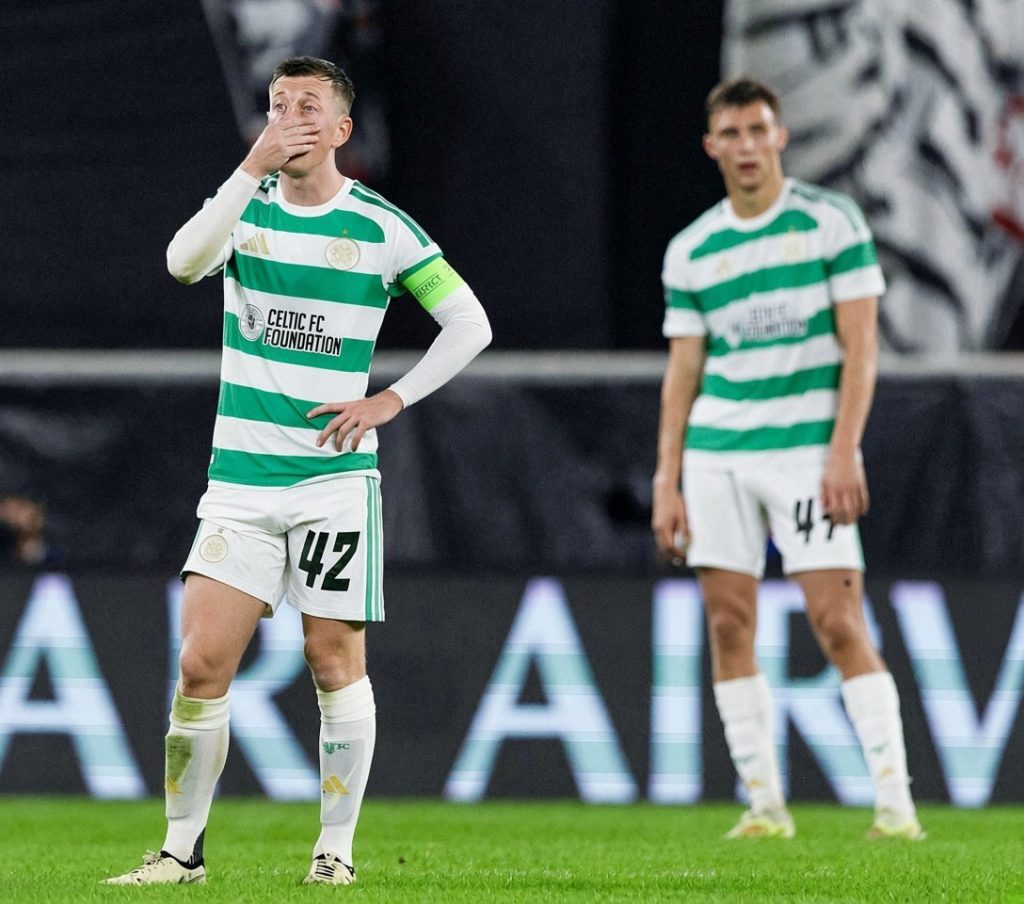
A Brutal Record That Cannot Be Ignored
The list of recent failures makes for uncomfortable reading. In 2026 it was LASK in the play-off.
In 2025 it was Kairat, also at the play-off stage. The pattern of falling short at the final hurdle has become depressingly familiar.
Go further back and the picture grows even darker. Midtjylland eliminated Celtic in the second qualifying round in 2021.
Ferencváros did the same in 2020. CFR Cluj ended hopes in the third qualifying round in 2019, while AEK Athens performed the same role in 2018.
The Last Time It Went Right
The solitary success in this sequence came against Astana in the 2017 play-off. That was the last time Celtic successfully navigated Champions League qualifying.
Every subsequent attempt has ended in elimination. Nine years have passed since that solitary triumph.
Celtic’s last three Champions League group stage appearances in 2022, 2023 and 2024 all arrived through direct qualification. The club has not earned its place the hard way since 2017.
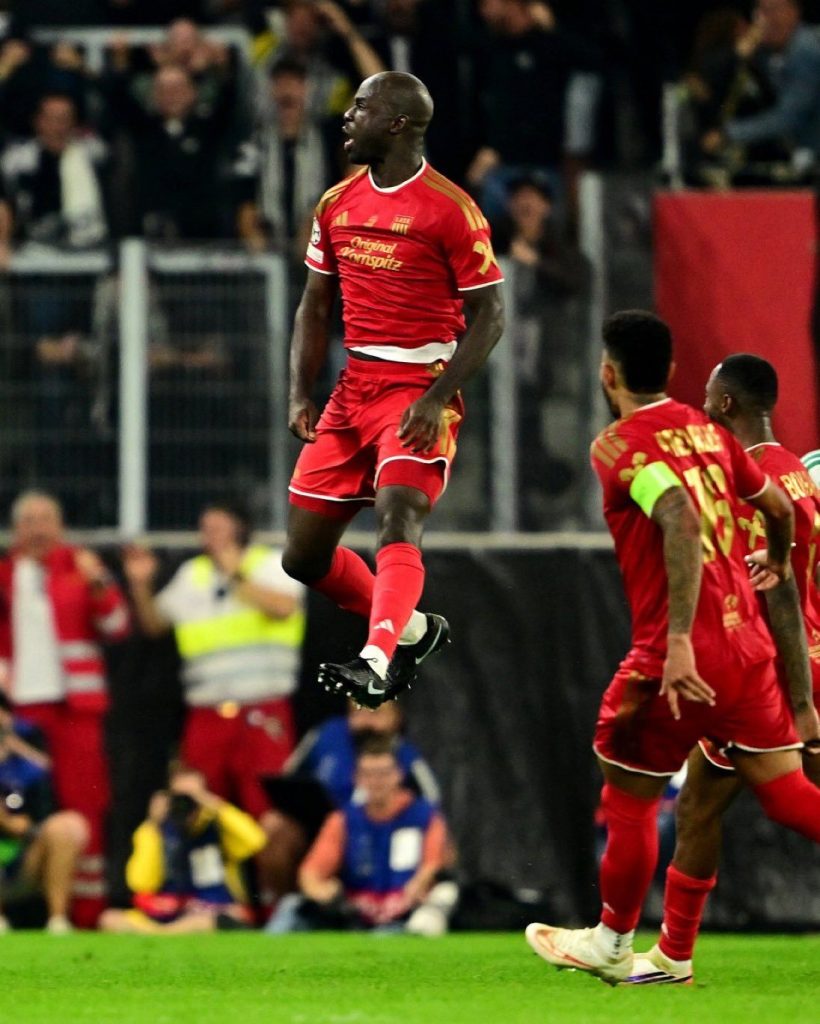
That statistic is damning. It underlines a fundamental failure of preparation and priority.
The Same Mistakes, Year After Year
Everyone inside Celtic Park knew Arne Engels needed replacing. The midfielder’s limitations had become obvious to supporters and observers alike.
The squad also required a player capable of sitting in front of the back four. Defensive protection has been a recurring weakness.
Several other areas of the team cried out for additional quality, strength and depth. Yet the board waited.
Instead of completing the necessary business before two massive Champions League ties, the club delayed. The consequences arrived on schedule.
Recent Form Only Heightens the Frustration
Celtic’s domestic form has been solid enough to keep them near the top of the Scottish Premiership. That consistency makes the European shortcomings even harder to accept.
In recent league matches the side has controlled large periods of play. Yet the same structural issues that hurt them against LASK have surfaced repeatedly.
Opposition teams have found space between the lines. Transitions have been dangerous. The lack of a true midfield shield has been exposed.
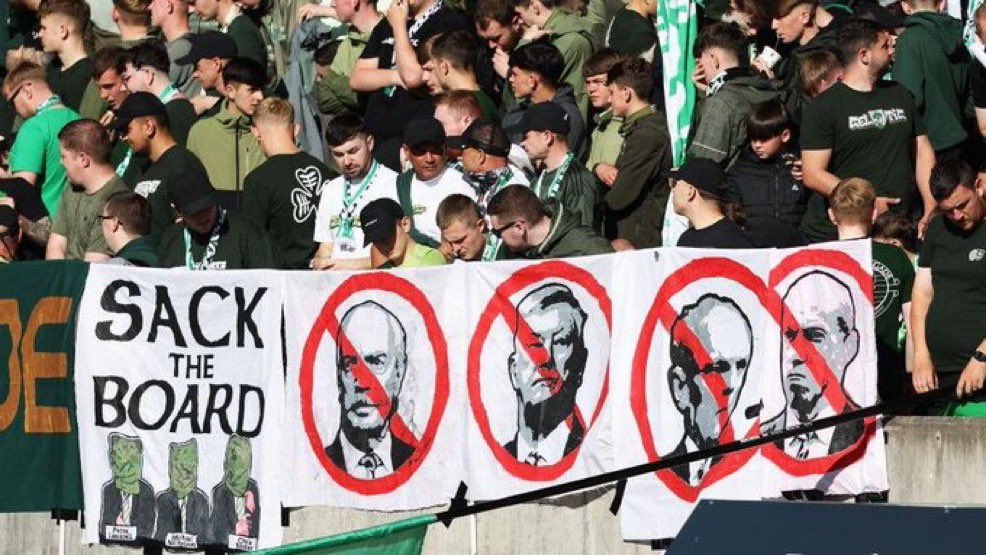
Supporters watching at home and in the stands have seen the same patterns. Frustration has boiled over into open criticism of the recruitment timeline.
Tactical Analysis: Where It Went Wrong
Against LASK the absence of adequate midfield cover proved costly. Celtic’s back four was left exposed far too often.
Engels struggled to impose himself in the central areas. The Austrian side exploited the space around him with intelligent movement and quick combinations.
Celtic created chances of their own. Yet the overall structure never looked secure enough for a high-stakes two-legged tie.
A more complete squad would have offered different options. The manager would have possessed greater tactical flexibility.
Depth Issues Laid Bare
Key positions lacked genuine competition. When players underperformed there were few credible alternatives on the bench.
This is the direct result of waiting to see whether qualification was achieved before investing. The club approached the ties with an incomplete tool kit.
Champions League qualification should never be treated as a bonus. It must be the absolute priority from the first day of the transfer window.
Building the squad first, then attacking the ties, remains the only logical sequence. Celtic continue to reverse that order.
Fan Reaction: Anger Reaches Boiling Point
Supporters have not held back. Social media has been flooded with criticism of the board’s approach.
Many point to the repeated nature of the failure. Six successive qualifying campaigns have now ended in disappointment.
The message from the stands and online is consistent. Fans are tired of watching the same mistakes unfold every summer.
They argue that the club knew exactly what the squad required. The decision to delay key business until after the European ties is viewed as reckless.
The Cost of Caution
By waiting, Celtic reduced their chances of securing the very revenue they hoped to generate. The strategy is self-defeating.
Other clubs in similar positions have shown greater urgency. They strengthen first and then compete from a position of relative strength.
Celtic’s approach continues to leave the manager short of options at the worst possible moment. The cycle shows no sign of breaking.
League standings offer little comfort when European nights end in early exits. Domestic dominance is expected. Continental progress is the true measure of ambition.
What Must Change Immediately
The solution is straightforward. Stop waiting to see if qualification is achieved before spending the money required to help achieve it.
Identify the key targets early. Complete the deals before the first qualifying round begins. Give the manager a finished squad.
Protect the defence with a proper midfield anchor. Replace underperforming players such as Engels with higher-quality alternatives.
Add strength and depth across multiple positions. Only then should the club step into high-stakes European fixtures.
Supporters Deserve Better
Celtic fans have shown remarkable loyalty through successive disappointments. They continue to fill the stands and generate atmosphere.
In return they are asked to watch the same errors repeated. That bargain is no longer acceptable.
Six failed qualifying campaigns in a row is not misfortune. It is the product of a flawed philosophy that prioritises caution over preparation.
The board must finally learn the lesson. Build the squad first. Then compete. Anything less will only produce the same painful outcome next summer.
The question now hangs over Celtic Park with greater weight than ever. When will those in charge actually learn?