
Celtic FC and the Fan Power Debate: Kris Boyd Questions Club Leadership Amid Robbie Keane Backlash
In the ever-intense world of Scottish football, few topics generate as much heat as managerial speculation at Celtic Park. A recent clip shared by Scottish Sun Sport on X (formerly Twitter) has reignited discussions about fan influence, board decision-making, and the future direction of one of Scotland’s biggest clubs.
The post features pundit Kris Boyd, a former Rangers striker and outspoken analyst, weighing in on reports that Celtic have stepped back from pursuing Robbie Keane as their next manager due to significant supporter opposition.
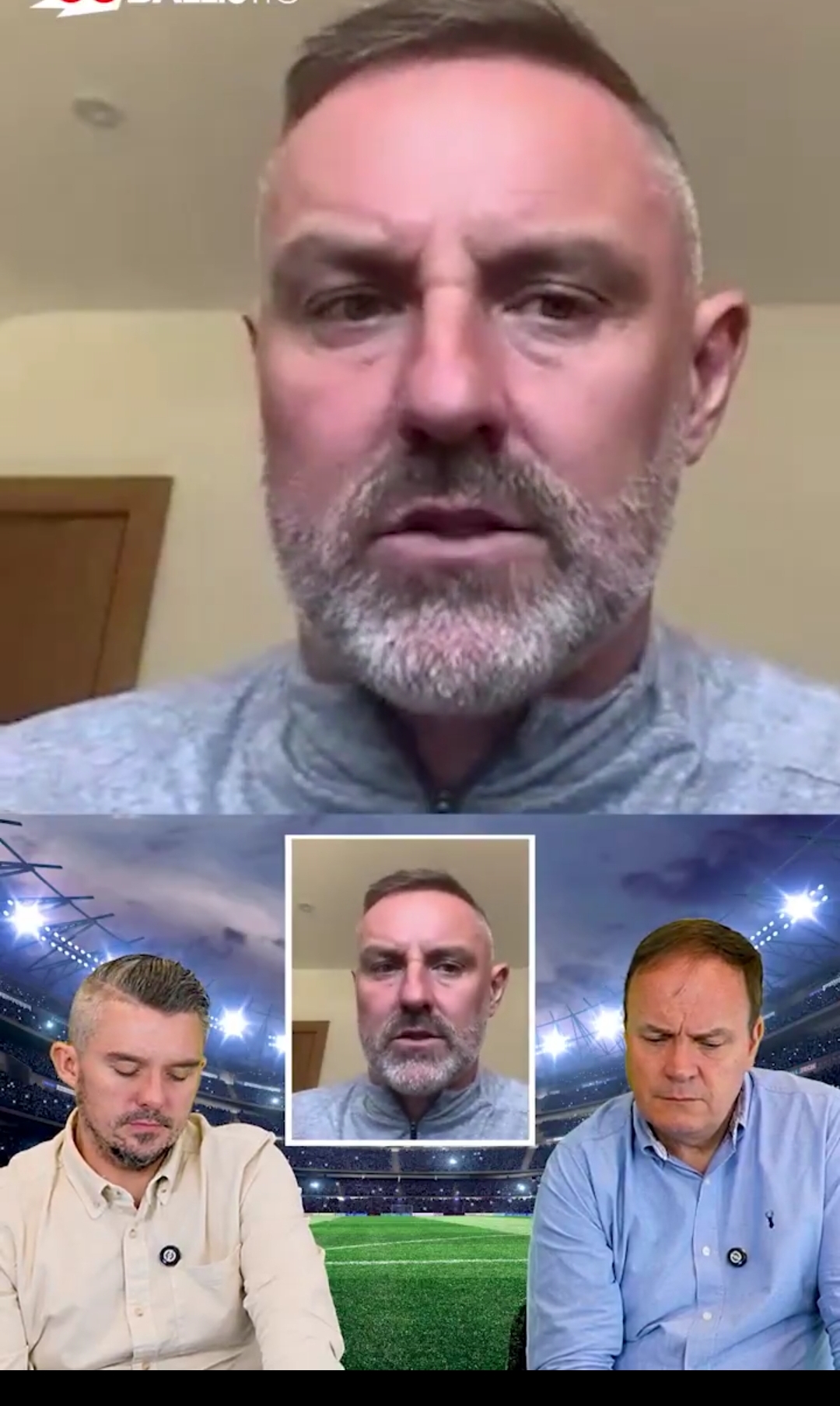
The short video clip, approximately 26 seconds long from the Go Ballistic podcast, captures Boyd in a close-up shot, speaking directly with visible emphasis and frustration.
Seated in a split-screen format alongside hosts Roger Hannah and Jonathon Moar against a stadium backdrop, Boyd delivers pointed remarks questioning the governance at Parkhead. His core message: Celtic have “folded” to fan pressure, raising fundamental questions about who is truly running the club.
Context of the Robbie Keane Speculation
To understand Boyd’s comments, it’s essential to step back into the recent events at Celtic. Following a challenging season—despite ultimately securing the Scottish Premiership title by a margin over their rivals—Celtic have been linked with several managerial candidates as discussions swirl around Martin O’Neill’s interim or short-term role. Robbie Keane, the Irish football legend and former Celtic player, emerged as a prominent name.
Keane’s playing pedigree is impeccable: a prolific goalscorer with experience at clubs like Liverpool, Tottenham Hotspur, and LA Galaxy, coupled with his brief but memorable stint at Celtic in 2010.
However, Keane’s managerial CV, including a stint with Maccabi Tel Aviv in Israel, has become a flashpoint. A vocal coalition of Celtic supporter groups, including the influential Green Brigade ultras and dozens of others (reports cite up to 67 groups), released a strongly worded statement opposing his potential appointment. The opposition centers on Keane’s decision to manage in Israel during the ongoing Gaza conflict, which some fans view as incompatible with the club’s historical ethos of social justice, solidarity with the oppressed, and its founding roots in Irish Catholic immigrant communities facing famine and displacement.
Statements from groups like Celtic Fans for the Liberation of Palestine described the appointment as “deeply divisive,” arguing it would sow discord among the support. Banners, graffiti near Celtic Park, and open letters amplified the message. While not all fans share this view—many prioritize footballing merit, Keane’s connection to the club, or simply want stability—the organized campaign proved loud and effective enough to influence proceedings.
What Kris Boyd Said in the Clip
In the circulated video, Boyd doesn’t mince words. With animated facial expressions—furrowed brows, direct eye contact with the camera, and emphatic head movements—he argues that the intense backlash has forced Celtic’s hierarchy to retreat. He frames this as a capitulation: the club has “folded” to fan demands rather than sticking to what the board or recruitment team presumably believed was a strong candidate.
Boyd’s rhetorical question—“Who is running Celtic?”—strikes at the heart of the debate. Is it the board, the executive team led by figures like Dermot Desmond and CEO Peter Lawwell (or successors), or has fan power, particularly from organized ultras and supporter clubs, effectively gained veto rights over key appointments? He suggests this sets a dangerous precedent, where emotional or politically charged campaigns can override professional football decisions.
His tone reflects a broader frustration common in punditry circles, especially from a Rangers perspective, about perceived inconsistencies or weaknesses in Celtic’s leadership. Boyd implies that a club of Celtic’s stature should make bold, merit-based choices rather than bending to the loudest voices. The clip ends on a note that leaves viewers pondering governance, accountability, and the balance between supporter passion and pragmatic management.
Broader Implications for Celtic and Scottish Football
This episode highlights deeper tensions within modern football. Supporters are more empowered than ever, thanks to social media, organized groups, and the cultural weight they carry—especially at fan-owned or community-rooted clubs like Celtic. Protests, boycotts, and public statements can sway boards wary of alienating season ticket holders, ultras who create atmosphere, or broader commercial partners.
Critics like Boyd argue this risks populism over professionalism. What happens if fans block every ambitious or unconventional appointment? Could it lead to safer, less inspiring choices that stagnate the team? On the flip side, fans counter that ownership and boards must listen. Celtic’s identity isn’t just about trophies; it’s intertwined with values, heritage, and community. Ignoring widespread discontent could fracture the support base, harm matchday culture, and create a toxic environment for any new manager.
The situation also underscores Celtic’s current transitional phase. With Martin O’Neill reportedly set to continue for at least another season, the club buys time to assess options amid squad rebuild needs, European ambitions, and the perpetual Old Firm rivalry. Robbie Keane himself has responded cryptically on social media, hinting at resilience with messages like focusing on “what you see, not what you think.”
Fan Influence: Asset or Liability?
Professionally, clubs must navigate this carefully. Strong fan engagement builds loyalty and pressure for accountability—vital after underwhelming performances. Yet unchecked influence might deter high-caliber candidates who fear public backlash. Celtic’s board faces a classic dilemma: lead decisively or risk being seen as reactive.
Kris Boyd’s intervention, while partisan in the eyes of many Celtic fans (who often view him as biased given his Rangers history), taps into universal questions in sport. Similar debates have played out at clubs across Europe, from fan protests at Manchester United to ownership challenges at various Premier League sides. In Scotland’s pressurized environment, where every decision is dissected 24/7, the stakes feel heightened.
Ultimately, this story transcends one pundit’s soundbite. It reflects Celtic’s quest for sustained success in a post-Ange Postecoglou era, the power of collective fan voices, and the complexities of managing a passionate institution. As the summer transfer window and pre-season loom, all eyes remain on Parkhead. Will the board assert clearer leadership? Can they unite the support behind a vision? Or will fan power continue to shape the narrative?
Scottish football thrives on such drama. Whether one agrees with Boyd’s assessment or sees it as opportunistic criticism, his comments have crystallized a pivotal moment for Celtic. The debate over governance, identity, and ambition will undoubtedly continue—fueling podcasts, forums, and headlines for weeks to come.