
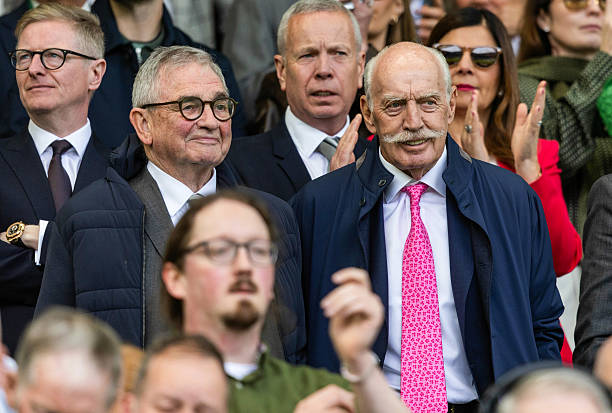
In the midst of yet another summer transfer window filled with speculation, delays, and mounting supporter discontent, the most powerful statement from Celtic’s fanbase on Saturday afternoon, July 18, 2026, came not through chants, banners, or social media outbursts, but through the resounding silence and vast expanses of empty seats inside Celtic Park.
Middlesbrough, a Championship side from England, traveled north for what was billed as an exciting pre-season friendly. Tickets had been available on general sale for weeks, priced accessibly at £20 for adults, with concessions for families and older supporters. The club had promoted the fixture heavily as a chance for fans to get their first proper look at the squad under permanent manager Martin O’Neill ahead of the 2026/27 Scottish Premiership campaign. Yet, the atmosphere suggested otherwise. Demand fell well short of expectations, leading to the upper tiers remaining closed and large sections of the lower bowl dotted with empty seats. Supporters who did attend clustered in pockets, while Middlesbrough’s traveling contingent—reportedly close to 5,000 strong and vocal—often seemed to match or challenge the home support in volume.
A Strikingly Sparse Crowd for Pre-Season
Pre-season friendlies are never guaranteed sell-outs, and no one expects them to rival league or cup clashes. However, in recent years, Celtic Park has typically drawn healthy crowds eager to assess new signings, see the team’s shape, and build early momentum. This time, the sparsity was striking and unusual for a home summer fixture against respectable opposition. Middlesbrough had even increased their allocation to 10,000 tickets due to demand from their own fans, adding to the contrast.
This should be ringing alarm bells loudly in the Celtic boardroom. Some defenders of the club’s hierarchy will point to the timing—many supporters still away on summer holidays—or downplay the significance of a friendly against non-glamour opposition. Others might cite weather, competing events, or general fatigue after a long season. These excuses have been trotted out before, yet Celtic Park has rarely appeared this hollow for a July friendly in the club’s recent history. The far more glaring and inescapable explanation lies in the growing disillusionment with the club’s approach to squad building.
Fans Tired of the Same Transfer Window Patterns
Fans have watched this same transfer window saga unfold year after year with mounting exasperation. Celtic entered the summer with significant cash reserves bolstered by player sales and European revenue, fresh off a domestic double—winning the league title on the final day against Hearts and lifting the Scottish Cup. That success, achieved dramatically with late goals and resilient performances, should have generated substantial goodwill and a platform for proactive recruitment. Instead, the window has drifted along slowly, with glaring squad weaknesses left unaddressed for far too long.
The club’s first major incoming deal was the signing of Colombian forward Camilo Duran from Qarabag for around €6 million (roughly £5.5m). The 24-year-old showed promise in early pre-season outings, including a goal on his unofficial debut, but he represents just one piece of a much larger puzzle. Reports continue to swirl around potential re-signings of Kelechi Iheanacho and Marcelo Saracchi, interest in players like Kieron Bowie, and links to others, but concrete, decisive action has been lacking. Key areas—particularly in midfield creativity, defensive reinforcements, and attacking depth—remain concerning as the competitive season looms. Meanwhile, several players edge closer to exits or uncertain futures, including speculation around captain Callum McGregor’s long-term plans.
This pattern of reactive rather than proactive planning has eroded patience. Supporters have seen the club accumulate funds while failing to strengthen swiftly or boldly enough to challenge effectively in Europe or maintain domestic dominance with comfort. The frustration, long evident in online forums, podcasts, and fan meetings, has now manifested tangibly at the turnstiles. People are voting with their wallets—a message infinitely harder for executives to ignore than digital criticism or protests.
High Season Ticket Renewals Yet Clear Warning Signs
Season ticket renewals for 2026/27 reportedly hit an impressive 99.5%, reflecting deep loyalty and the sell-out status for league matches. Yet, that commitment to the core campaign does not extend automatically to pre-season games when the squad feels unfinished and the board appears complacent. The goodwill from May’s triumphs evaporated quickly as another summer slipped away without the urgency fans demanded.
Ultimately, accountability rests with those at the top. The board, under the significant influence of major shareholder Dermot Desmond (with his 35% stake shaping strategic direction), cannot evade scrutiny. Manager Martin O’Neill, recently appointed permanently after an interim spell, has publicly pushed for more signings and expressed optimism, but he operates within the constraints set by those above him. O’Neill has highlighted the need for reinforcements to build on last season’s double, yet the pace of business has left supporters questioning the club’s ambition.
Empty Seats Send the Strongest Message
Saturday’s sparse attendance—described by some observers as one of the lowest crowds for such a fixture in memory—serves as a tangible warning. Empty seats do not generate revenue through merchandise, concessions like half-time pies, or the electric atmosphere that defines matchdays at Paradise. They do not sing the club’s anthems or create the intimidating cauldron that opponents fear. In their absence, they convey a profound message of discontent more effectively than any organized demonstration.
This is not a one-off blip but a symptom of deeper issues. Celtic supporters, renowned for their passion and unwavering support through thick and thin, have repeatedly shown willingness to back the team financially and vocally. They backed the club through challenging periods, European adventures, and title races. However, that loyalty is not infinite. Repeated cycles of promising windows that deliver too little, too late, risk alienating the very base that sustains the club.
Time for Decisive Action from the Board
As the 2026/27 season approaches, with league action resuming soon and European qualifiers on the horizon, Celtic must heed this signal. The club needs to move decisively—securing quality additions that address specific needs rather than relying on late panic buys or loans. Fans want to see leadership, not hesitation; investment in the squad, not hoarding of reserves. Failure to respond could see further erosion of support, impacting not just attendances but the club’s overall momentum and competitiveness.
In football, silence from the stands can speak volumes. On July 18, 2026, at Celtic Park, the empty seats delivered the clearest indictment yet of a transfer strategy that has left supporters feeling unheard and undervalued. The board and key decision-makers ignore this at their peril. The road to sustained success requires more than domestic trophies—it demands proactive ambition that matches the hunger of the support. Until that changes, warnings like Saturday’s will only grow louder, even in their quietest form.