

Martin O’Neill has delivered a typically sharp response to growing questions about his future at Celtic, insisting the club will only replace him “when the moment is right.”
The 74-year-old’s comments come at a time when scrutiny of his position is intensifying after a run of poor results that has left supporters increasingly uneasy.
O’Neill’s permanent appointment in the summer still feels surprising to many. He had previously suggested Celtic should look towards a younger manager, yet ultimately signed a one-year contract with the option of a further season.
That decision is now under the microscope. Questions are being asked about whether he still possesses the energy required to lead the club through another demanding campaign.
O’Neill’s Humorous Yet Pointed Response
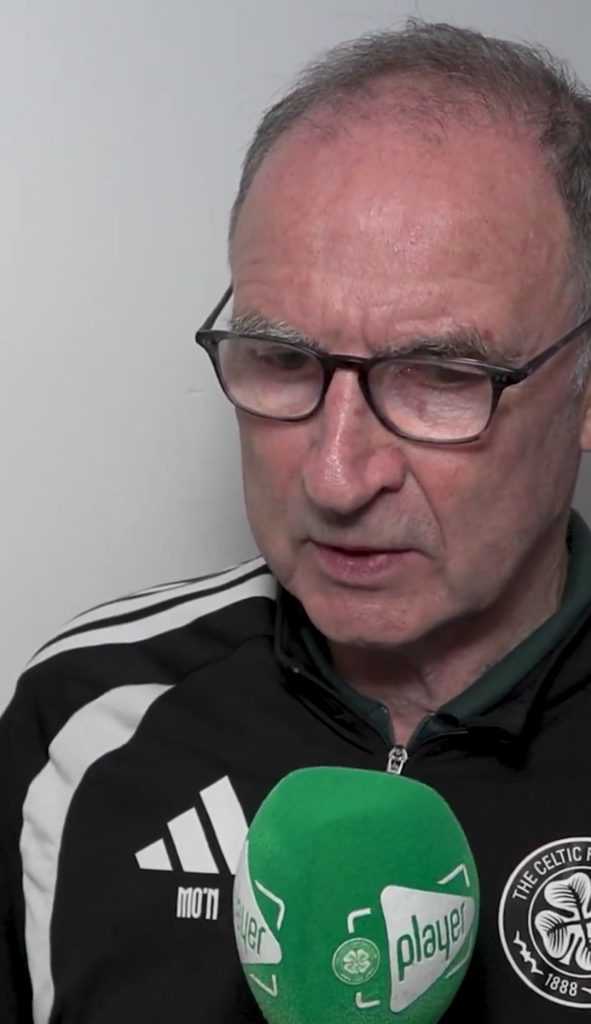
Asked directly if he had the stamina to see out the season, O’Neill replied with his trademark humour. “Hopefully,” he told RecordSport. “Famous last words, I hope I’m not going to die tomorrow!”
He continued with a self-deprecating anecdote. “I had a problem when the surgeon said to me, ‘I need you to take these tablets, one a day for the rest of your life.’ When he gave me five, I was really worried!”
The humour did not mask the seriousness of the situation. O’Neill added: “People will come to all sorts of things. Celtic will replace me when the moment is right.”
“So, I might have the energy, but if we keep losing football matches, I might not get the chance to re-energise myself. It’s the nature of the game.”
A Damaging Run of Results
Celtic’s recent form has provided the backdrop for these comments. The disastrous Champions League collapse against LASK was followed by a humiliating 3-0 defeat at Ibrox.
Thursday’s 3-1 home loss to Ferencvaros in the Europa League then placed even more pressure on the manager and his coaching staff. Three heavy setbacks in a short space of time have left the squad looking fragile and the support restless.
The team has appeared badly organised in these matches. Opponents have repeatedly been able to play through the middle of the pitch with worrying ease.
There has been little sign of a clear tactical plan. The intensity supporters expect from a Celtic side has also been missing for long periods.
Tactical Issues Coming Into Sharp Focus
Celtic have struggled to control midfield battles. The structure that once made them difficult to break down has looked loose and reactive rather than proactive.
Defensively, spaces between the lines have been exploited. Forwards have not been given the service or support needed to create consistent chances.
These problems were visible against Rangers and again against Ferencvaros. Both sides found ways to progress the ball quickly and expose gaps that O’Neill’s side failed to close.
Supporters have noticed. Online discussions and matchday conversations have focused heavily on the lack of organisation and the absence of a coherent approach.
The Importance of Tomorrow’s Derby
Tomorrow’s meeting with Rangers at Celtic Park is already a hugely important match. Another defeat would increase the pressure considerably and leave the board facing a major decision.
The timing of the fixture adds another layer of significance. Celtic are about to enter a three-week international break, providing the club with a natural opportunity to assess the manager’s position if results continue to deteriorate.
A derby victory could change the mood quickly. It would give O’Neill some much-needed breathing space and allow the squad to head into the break with renewed confidence.
Another damaging defeat, however, could leave Celtic wondering whether the “right moment” for change has arrived much sooner than anybody anticipated.
Fan Reaction Growing Louder
Celtic supporters have shown patience in recent seasons, but that patience is being tested. The combination of European disappointment and domestic setbacks has sparked open debate about the direction of the team.
Many fans still respect O’Neill’s history with the club and the double he delivered last term. Yet the current performances have left a large section of the support demanding more energy and clearer ideas on the pitch.
Social media reaction after the Ferencvaros defeat was particularly critical. Calls for greater intensity and better organisation dominated discussions among supporters.
The Old Firm fixture will only amplify those voices. A positive result would quieten some of the noise, while a negative one is likely to raise the volume significantly.
Standing in the League and Broader Context
Celtic’s position in the Premiership table remains competitive but no longer dominant. The recent losses have allowed rivals to close the gap and increased the sense that every remaining fixture carries extra weight.
The side that looked capable of controlling games earlier in the campaign has lost that control. Opponents now approach matches against Celtic with greater belief that they can exploit structural weaknesses.
O’Neill has always been open about the realities of the job. His latest comments show he understands that results ultimately decide how long any manager lasts, regardless of past achievements.
The board will be watching the next few days closely. The international break offers a natural pause, but only if the team can produce a response against Rangers first.
What Needs to Change Immediately
Celtic must rediscover their intensity. The midfield needs tighter spacing and quicker reactions when possession is lost.
A clearer plan in possession is also required. Too often the team has looked unsure of how to progress the ball or create overloads in dangerous areas.
Defensively, the side has been too easy to play through. Closing those central channels and forcing opponents wide must become a priority.
These adjustments will not happen overnight. Yet the derby offers an immediate chance to show improvement and restore some belief.
O’Neill’s Position and the Road Ahead
O’Neill remains a figure of considerable stature at Celtic Park. His previous successes and the unexpected double last season still earn him goodwill among large parts of the support.
That goodwill is finite. Continued poor performances will test even the strongest reserves of patience, and the manager knows it.
His insistence that Celtic will replace him “when the moment is right” is both a realistic assessment and a subtle challenge. It places the responsibility for the next decision firmly with the results on the pitch.
If the team can produce a strong response against Rangers, the conversation may quieten for a time. If not, the three-week break could become the moment many are already beginning to discuss.
The coming days will reveal a great deal. Celtic’s season is far from over, but the current trajectory has placed genuine pressure on the man in the dugout.
O’Neill has faced difficult periods before and found ways to respond. Whether he can do so again will depend on the performance delivered in front of a demanding home crowd tomorrow.
For now, the message from the manager is clear. The club will act when the moment is right. The results over the next week may decide just how soon that moment arrives.