
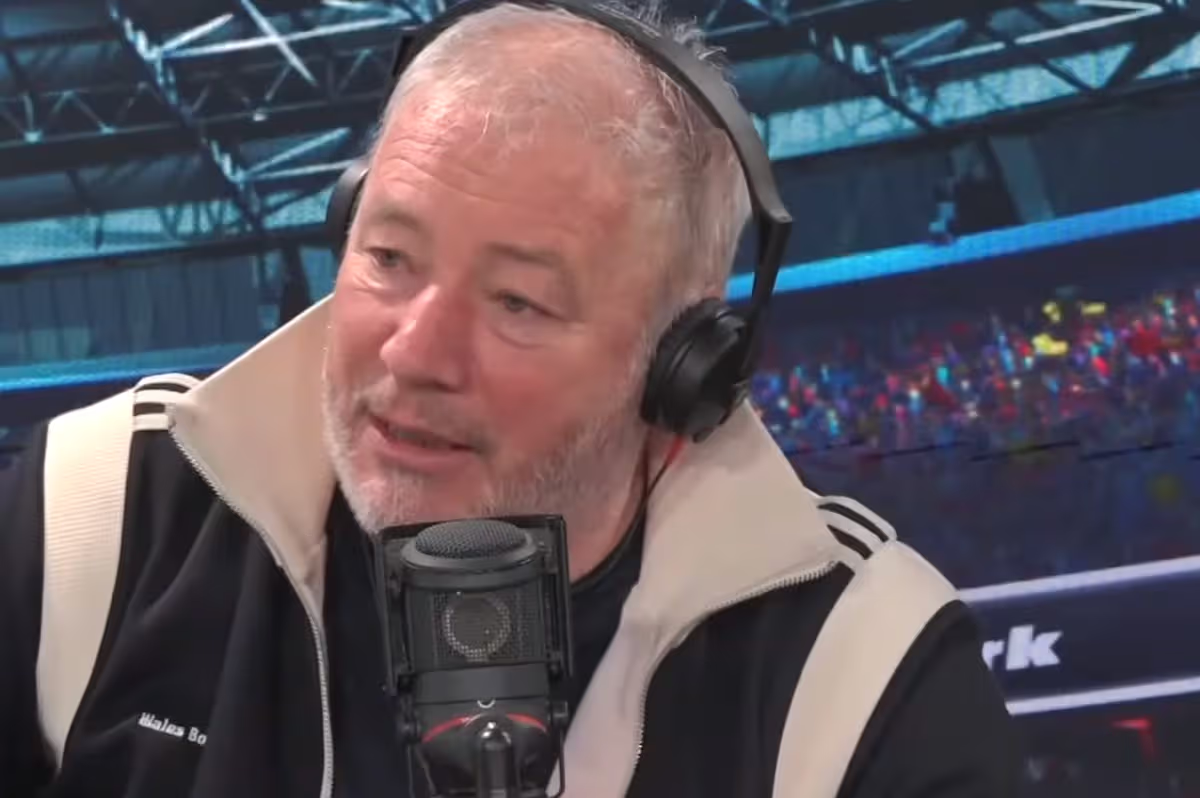
Ally McCoist has weighed in on the growing talk around Celtic’s next permanent manager, suggesting a familiar name could soon take over at Parkhead to succeed Martin O’Neill.
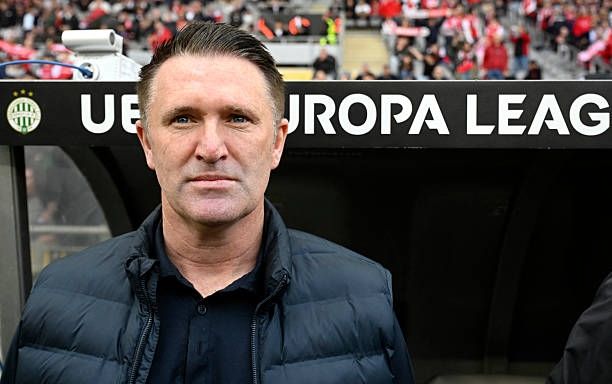
Robbie Keane continues to be strongly linked with the job, and McCoist has now publicly backed the former striker as a realistic option for the role.
Currently in charge of Ferencváros, Keane has seen his managerial reputation rise quickly in recent months. Having stepped up from coaching into management, he has already claimed league titles in both Israel and Hungary, strengthening his case as a candidate under consideration by Celtic.
Those achievements have kept his name firmly in the frame as the club prepares to make a long-term appointment after the season concludes. Celtic are expected to assess a shortlist of candidates capable of meeting the demands of domestic dominance while also competing in Europe.
However, questions remain over Keane’s experience at the highest level. Much of his success so far has come in leagues where his teams have been strong favourites, whereas Celtic presents a far more intense environment, where pressure is constant and dropped points are heavily magnified.
The timing of any appointment also adds complexity. Celtic are still in the middle of a demanding campaign, fighting for league points and continuing their Scottish Cup journey. The next manager will play a key role in shaping the squad for the season ahead.
Speaking on talkSPORT, McCoist said: “I love to see ex-players come in. Robbie Keane would be another one to come into the equation. He went over and did his business in Israel and Hungary as well.”
Keane’s previous spell as a Celtic player also adds to the appeal, with his familiarity with the club often viewed as a positive in discussions about potential appointments.
Even so, a move for the Irishman would carry risks. He has yet to manage under the kind of relentless scrutiny that comes with a club like Celtic, where every result is analysed and pressure can escalate quickly after any setback.
His teams have shown they can dominate domestically and control matches, but Scottish football brings different challenges, with opponents often sitting deep and forcing managers to find consistent solutions against compact defences.
There is also uncertainty over how he would respond during difficult spells, as he has not yet experienced prolonged pressure in a top job where expectations are always high.
Celtic now face a crucial decision: stick with a developing manager still building experience, or opt for someone with a more established record at the highest level.